Understanding pap smear age is essential for making informed decisions about cervical cancer screening and long-term reproductive health. A Pap smear, also called a Pap test, is one of the most effective preventive care tools used worldwide to detect abnormal changes in cervical cells before they progress into cancer. Screening guidelines vary depending on age, health history, and previous test results, which often creates confusion about when to start, how often to test, and when screening can safely stop.
This article provides a complete, medically accurate explanation of Pap smear testing as of 2026. It covers what the test is, what it detects, how it differs from related procedures like pelvic exams and HPV tests, and how Pap frequency changes between the ages of 21 to 29 years old, 30 to 65 years old, and after age 65. You’ll also learn what to expect before, during, and after the test, how results are interpreted, and what follow-up testing may be required.
Quick Facts
| Category | Quick Facts |
| Test Name | Pap smear (Pap test) |
| Purpose | Detect abnormal cervical cells, precancerous changes, and early cervical cancer |
| Recommended Starting Age | 21 years old |
| Screening Interval (21–29 years old) | Every three years |
| Screening Interval (30–65 years old) | Pap test every three years, HPV test alone every five years, or co-test every five years |
| Screening After Age 65 | Can stop if previous screenings were normal and no cervical cancer history |
| Pap After Hysterectomy | Not needed if cervix removed and no history of abnormal cells; otherwise, follow provider guidance |
| Test Type | Cytology (cell sample analysis) |
| Specimen Collection Method | Cervical cell sample using spatula/brush during pelvic exam |
| Common Abnormal Findings | Abnormal cells, precancerous cells (dysplasia) |
| Associated Infection | High-risk HPV types linked to cervical cancer |
| Result Time | Typically 7–14 days |
| Follow-Up Tests | Repeat Pap, HPV test, colposcopy, biopsy |
| Discomfort Level | Mild; pressure or brief scraping sensation |
| Effectiveness | Reduces cervical cancer incidence and mortality when done per guidelines |
| Special Considerations | Immunocompromised individuals, HIV-positive, history of abnormal cervical cells may need more frequent screening |
| Routine Screening Goal | Preventive care and early detection to minimize cervical cancer risk |
What Is a Pap Smear Test?
A Pap smear test, also known as a Pap test, is a cervical cancer screening procedure designed to identify abnormal cells in the cervix before they develop into cancer. The cervix is the lower part of the uterus that opens into the vagina, and it plays a critical role in reproductive health.
During the test, a healthcare provider collects a small cell sample from the surface of the cervix. These cervical cells are sent to a laboratory, where a trained pathologist examines them under a microscope. The goal is not to diagnose cancer directly, but to detect early cellular changes such as dysplasia or precancerous cells that may increase cervical cancer risk over time.
Pap smears are considered a routine screening tool and a cornerstone of preventive care. When done at recommended intervals, regular testing significantly reduces cervical cancer rates by allowing early intervention. This is especially important because early-stage cervical cell changes rarely cause symptoms.
The test is typically performed in a clinic, hospital, or gynecology office as part of a broader reproductive health visit. While the procedure itself takes only a few minutes, its long-term health impact is substantial, particularly for individuals between the ages most at risk.
What Does a Pap Smear Test For?
A Pap smear tests for abnormal changes in cervical cells that could indicate precancerous or cancerous conditions. It does not test for cancer itself, but rather for cellular abnormalities that may eventually lead to cervical cancer if left untreated.
The most common abnormalities detected include:
- Abnormal cells caused by infection or inflammation
- Precancerous cells (also called dysplasia)
- Rare signs of early cervical cancer
These cellular changes are often associated with human papillomavirus (HPV), a common sexually transmitted infection (STI). While the Pap test does not directly detect HPV, it identifies the damage HPV can cause to cervical tissue.
Pap smears are especially valuable because cervical cancer typically develops slowly. Detecting abnormal cervical cells early allows healthcare providers to monitor or treat changes before they become dangerous. This makes the Pap test one of the most effective cancer prevention tools in modern medicine.
It is important to note that a normal Pap result does not rule out all health issues, nor does an abnormal result mean cancer is present. Instead, results guide decisions about follow-up testing, monitoring, or treatment based on individual health history and risk factors.
What’s the Difference Between a Pelvic Exam and a Pap Test?
A pelvic exam and a Pap test are often performed during the same appointment, but they serve different purposes and are not the same procedure.
A pelvic exam is a physical examination of the reproductive organs. During this exam, the healthcare provider visually and manually examines the vulva, vagina, cervix, uterus, and ovaries to check for signs of infection, pain, cysts, or other abnormalities. It focuses on overall reproductive health rather than cancer screening.
A Pap test, by contrast, is a specific cervical cancer screening procedure. It involves collecting a cell sample from the cervix for laboratory analysis. The Pap test is concerned only with cellular changes, not physical structure or tenderness.
In simple terms:
- A pelvic exam examines anatomy and physical health
- A Pap test examines cervical cells at a microscopic level
You can have a pelvic exam without a Pap test and vice versa, depending on your age, symptoms, and screening guidelines. Understanding this difference helps patients make informed decisions about routine screening and preventive care.
What’s the Difference Between a Pap Smear and an HPV Test?
A Pap smear and an HPV test are closely related but detect different things. Both are used in cervical cancer screening, and in some age groups, they are used together as a co-test.
A Pap smear looks for abnormal or precancerous cells on the cervix. It identifies cellular changes that may already be occurring.
An HPV test looks for the presence of high-risk types of human papillomavirus (HPV) that are known to cause cervical cancer. It does not examine cell structure but identifies viral DNA in cervical cells.
Key differences include:
- Pap test detects cell changes
- HPV test detects viral infection
- Co-test combines both for broader screening
HPV testing is more commonly used for individuals between the ages of 30 to 65 years old, when persistent HPV infections are more clinically significant. In younger populations, HPV infections are common and often clear on their own, making routine HPV testing less useful.
Together, these tests help healthcare providers tailor screening frequency and follow-up testing based on individual cervical cancer risk.
How Often Do You Need a Pap Smear?
Pap frequency depends on age, screening guidelines, and health history. Routine screening intervals are designed to balance early detection with avoiding unnecessary procedures.
Screening by Age Group
- Younger than 21: No Pap test recommended, regardless of sexual activity
- 21 to 29 years old: Pap test every three years
- 30 to 65 years old:
- Pap test every three years, or
- HPV test alone every five years, or
- Co-test every five years
- Pap test every three years, or
- Older than 65 / After age 65: Screening may stop if prior results were normal
These intervals apply to individuals at average cervical cancer risk. Those who are immunocompromised, living with HIV, or who have a cervical cancer history may need more frequent screening.
Regular testing following these guidelines has been shown to be highly effective in reducing cervical cancer incidence and mortality.
Do I Need a Pap Smear If I’ve Had a Hysterectomy?
Whether you need a Pap smear after a hysterectomy depends on the type of surgery and your medical history.
- If your hysterectomy included removal of the cervix and was performed for non-cancerous reasons, routine Pap testing is usually no longer needed.
- If your cervix remains intact, Pap tests should continue according to age-based screening guidelines.
- If you have a history of cervical cancer or abnormal cervical cells, continued screening may still be necessary.
Your healthcare provider will consider your previous test results, cervical cancer history, and overall health history when making this recommendation. This individualized approach ensures appropriate follow-up while avoiding unnecessary procedures.
Test Details: How Should I Prepare for a Pap Smear?
Preparing properly helps ensure accurate laboratory results. In the 48 hours before your Pap test, it is generally recommended to:
- Avoid vaginal intercourse
- Avoid douching
- Avoid vaginal medications or spermicides
These activities can wash away or obscure cervical cells, making the cell sample harder to interpret.
Scheduling the test when you are not menstruating is ideal, although light bleeding does not always prevent testing. Always inform your healthcare provider of medications, recent infections, or previous abnormal results.
Should I Get a Pap Test If I Am on My Period?
If you are on a heavy period, it is usually best to reschedule the Pap test. Excess blood can interfere with the examination of cervical cells and affect laboratory results.
However, light spotting may still allow for accurate testing. Your healthcare provider can advise whether to proceed based on flow and timing. Clear communication helps avoid repeat testing.
How Is a Pap Smear Done?
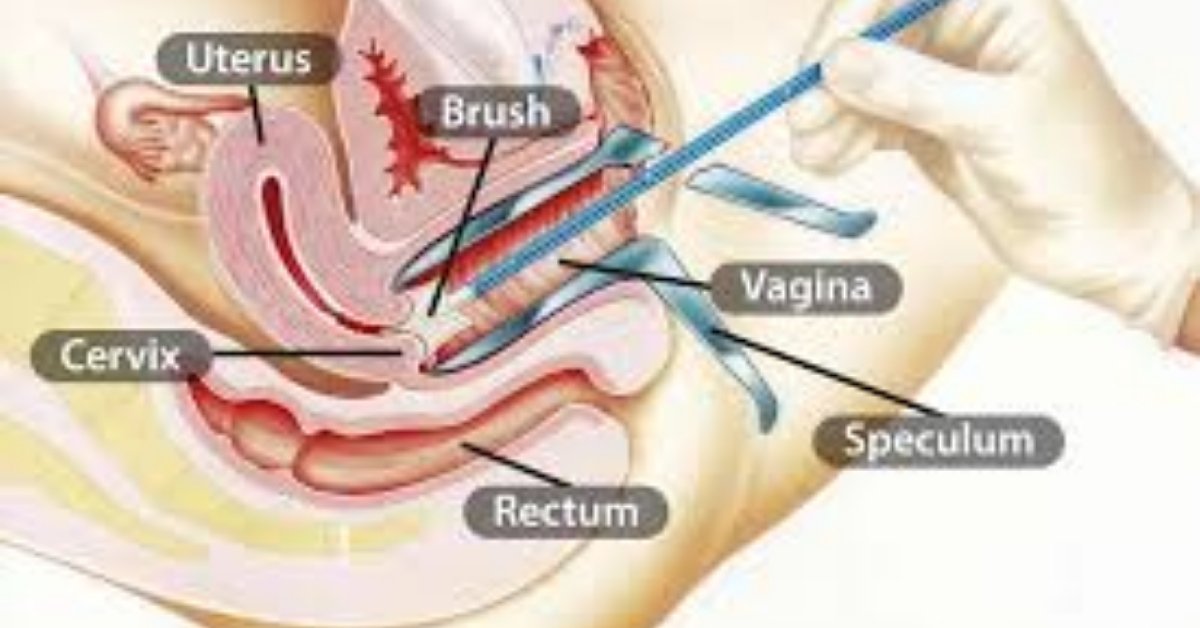
The Pap smear procedure is quick and typically lasts only a few minutes. During the test:
- You lie on an exam table with your feet supported
- A speculum is gently inserted into the vagina
- The cervix is examined visually
- A small brush or spatula collects cervical cells
The cell sample is preserved and sent to a laboratory, where a pathologist analyzes it. While the process may feel uncomfortable, it should not be painful for most people.
Does a Pap Smear Hurt?
Most individuals describe a Pap smear as uncomfortable rather than painful. You may feel pressure from the speculum or a brief scraping sensation during cell collection.
Relaxing pelvic muscles and slow breathing can reduce discomfort. If you experience pain, informing your healthcare provider allows them to adjust the procedure.
What Should I Expect After a Pap Smear?
After the test, mild spotting or cramping is normal and usually resolves quickly. You can return to normal activities immediately.
Laboratory results are typically available within one to two weeks. Your provider will contact you with results and explain whether follow-up testing is needed.
What Are the Disadvantages of a Pap Smear?
While highly effective, Pap smears have limitations:
- False-positive results may cause anxiety
- False-negative results can miss abnormalities
- Follow-up testing may involve invasive procedures
Despite these disadvantages, benefits far outweigh risks when screening guidelines are followed correctly.
Results and Follow-Up: When Should I Get My Test Results?
Most Pap smear laboratory results are available within 7–14 days. Delays may occur if additional testing is required.
What Do Pap Smear Results Mean?
Results are usually categorized as:
- Normal: No abnormal cervical cells
- Abnormal: Cellular changes detected
- Unsatisfactory: Sample inadequate
Abnormal results do not mean cancer but indicate the need for monitoring or follow-up testing.
What Follow-Up Tests Might I Need After an Abnormal Pap Smear Result?
Depending on results, follow-up testing may include:
- Repeat Pap test
- HPV test
- Colposcopy (detailed cervix examination)
- Cervical biopsy
These tests help determine whether abnormal cells require treatment or observation. Early follow-up greatly reduces long-term cervical cancer risk.
Final Thoughts
Understanding Pap smear age guidelines and screening intervals empowers individuals to take control of their reproductive health. When combined with regular testing, informed decision-making, and professional guidance, Pap smears remain one of the most effective tools in modern preventive care.

Zara Lane is an experienced writer at BlessingAndShine, specializing in creating heartfelt and inspiring blessing articles. With a passion for spreading positivity and hope, she crafts messages that bring comfort, joy, and encouragement to readers. Zara combines creativity, empathy, and real-world insight to produce content that uplifts spirits, fosters connection, and helps readers celebrate meaningful moments in life.