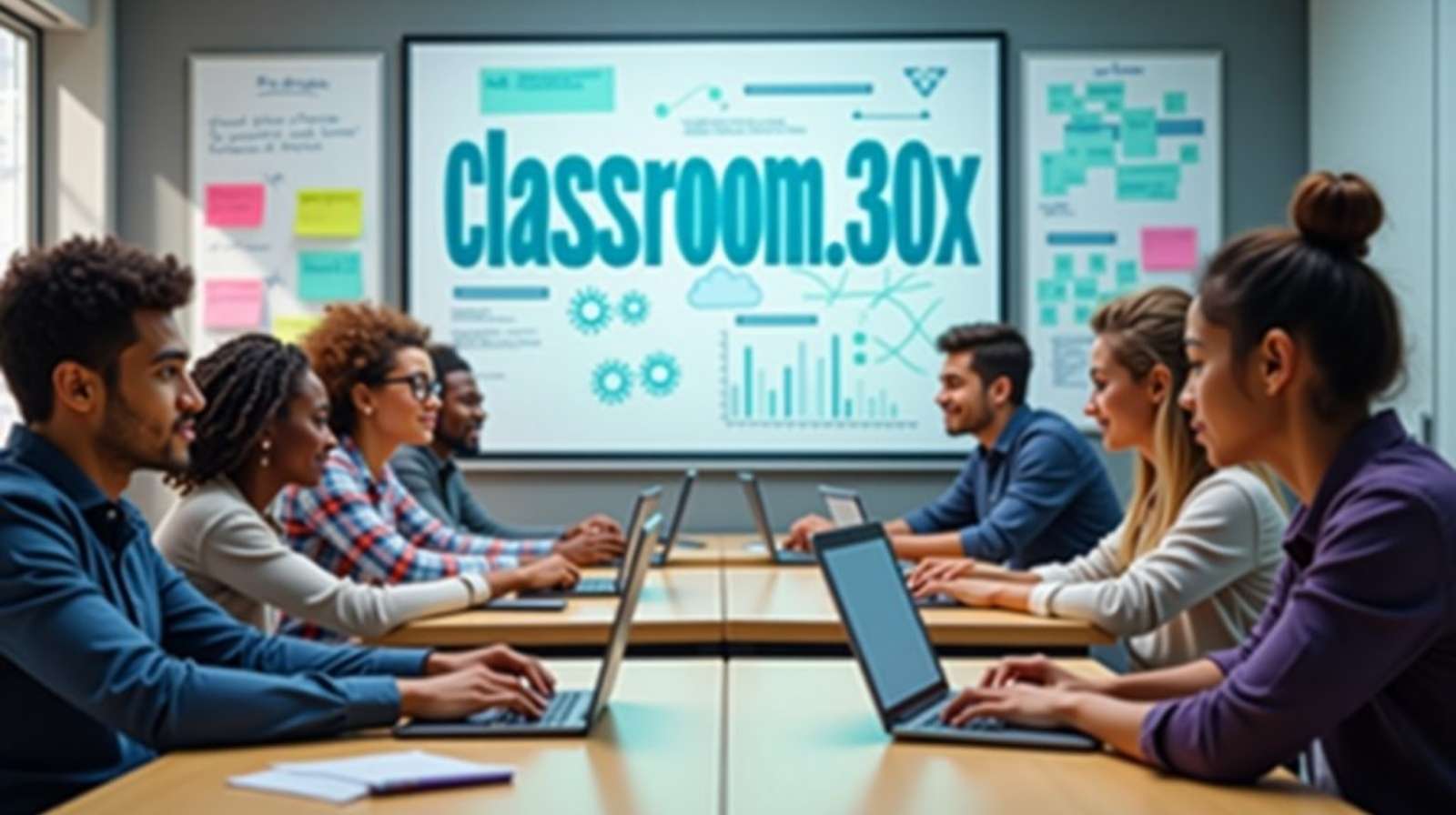
Classroom 30x represents a modern learning framework that blends technology integration, digital learning tools, and interactive classroom strategies to transform how students learn. This model uses adaptive software, artificial intelligence, gamified learning, and collaborative online platforms to create personalized learning experiences.
Schools adopting Classroom 30x report stronger student engagement, improved test scores, and better academic outcomes. By combining multimedia resources, real-time data analytics, and digital literacy initiatives, this approach supports self-directed learners while helping teachers deliver more effective instruction. As geographical boundaries fade and global partnerships grow, Classroom 30x stands at the center of the future of education.
What Is Classroom 30X?
Classroom 30X is a technology-driven educational model designed to integrate digital tools directly into daily teaching practices. Rather than replacing teachers, it enhances their ability to deliver meaningful instruction using interactive and data-informed methods.
At its core, Classroom 30X focuses on:
- Technology integration within lesson planning
- Digital learning environments that promote active learning
- Personalized learning paths through adaptive software
- Real-time data analytics to track progress
- Collaborative tools that encourage communication skills and teamwork
Unlike traditional classrooms that rely heavily on standardized pacing, Classroom 30X allows educators to adjust lessons based on student performance insights. Artificial intelligence supports differentiated instruction by identifying knowledge gaps and recommending targeted multimedia resources.
Digital literacy becomes a core skill, not an afterthought. Students engage with educational apps, cloud-based systems like Google Workspace, and interactive classroom platforms that simulate real-world collaboration. This model reflects the needs of a tech-driven world where critical thinking, creativity, and collaboration define career opportunities.
By combining structured curriculum with flexible technology, Classroom 30X bridges the gap between traditional education and modern skill demands.
How Does Classroom 30X Work?
Classroom 30X works through a structured yet flexible digital ecosystem. The system connects teachers, students, and content using online platforms and cloud-based services.
Core Functional Components
- Learning Management Integration
Teachers distribute assignments, quizzes, and multimedia resources through centralized online platforms. - Adaptive Software and AI Support
Artificial intelligence analyzes student behavior and performance data to personalize content delivery. - Collaborative Tools
Platforms such as Google Workspace enable real-time document editing, peer feedback, and group collaboration. - Gamified Learning Systems
Progress badges, interactive challenges, and game-based modules increase student engagement. - Virtual Reality (VR) and Simulation Tools
Virtual reality environments create immersive experiences, particularly effective in science, history, and technical subjects.
Classroom Workflow
| Component | Function | Student Benefit |
| AI-Powered Analytics | Tracks performance trends | Personalized learning plans |
| Gamification Modules | Rewards progress | Increased motivation |
| Collaborative Platforms | Shared projects | Improved communication skills |
| VR Simulations | Immersive learning | Deeper conceptual understanding |
The table above shows how each technological component directly supports academic outcomes and skill development. Teachers gain access to actionable data, while students become self-directed learners with greater autonomy.
This structured system ensures that technology is not used for novelty, but for measurable educational impact.
The Benefits of Integrating Technology in Education
Technology integration within Classroom 30X significantly enhances both teaching efficiency and student performance.
Academic and Cognitive Benefits
- Improved test scores through adaptive practice modules
- Stronger critical thinking abilities via problem-solving simulations
- Enhanced creativity using multimedia resources
- Better retention through interactive repetition
Interactive classroom techniques encourage students to actively participate rather than passively absorb information. Research consistently shows that active learning increases comprehension and memory retention compared to lecture-only formats.
Skill Development Advantages
- Communication skills through group collaboration tools
- Collaboration across geographical boundaries
- Digital literacy essential for modern workplaces
- Confidence in using educational apps and technology platforms
Real-time data analytics allows teachers to quickly adjust instruction, ensuring that struggling students receive timely support. This immediate feedback loop is one of the most transformative aspects of Classroom 30X.
Ultimately, integrating digital learning tools creates an environment where students are not just memorizing content but developing competencies aligned with future career opportunities.
Challenges of Implementing Classroom 30X
Despite its many advantages, implementing Classroom 30X comes with real-world obstacles.
Financial and Infrastructure Barriers
- Budget constraints in public schools
- Financial limitations for hardware procurement
- Uneven internet access
- Device maintenance costs
Technology adoption requires upfront investment in hardware, training, and digital infrastructure.
Human and Cultural Resistance
- Low tech proficiency among educators
- Resistance from students accustomed to traditional methods
- Hesitation from administrators uncertain about ROI
Successful adoption depends heavily on teacher training. Without adequate professional development, adaptive software and artificial intelligence tools may be underutilized.
Mitigation Strategies
- Phased implementation plans
- Partnerships with tech organizations
- Government and private sector funding initiatives
- Ongoing digital literacy programs
Understanding these challenges allows schools to design more realistic implementation roadmaps, reducing friction and ensuring sustainable integration.
Successful Case Studies of Classroom 30X Implementation
Real-world applications demonstrate how Classroom 30X transforms educational outcomes.
California – High School Science with Virtual Reality
A high school in California introduced virtual reality labs for advanced science classes. Students explored complex biology models in immersive 3D environments. Within one academic cycle:
- Student engagement increased significantly
- Lab comprehension improved
- Science test scores rose measurably
VR simulations allowed students to interact with complex systems that would otherwise require expensive physical labs.
Texas – Middle School Using Google Workspace
A middle school in Texas integrated Google Workspace for collaborative writing and project-based learning. Teachers reported:
- Improved communication skills
- Higher participation rates
- Stronger teamwork outcomes
Real-time editing and shared feedback created a truly interactive classroom.
Florida – Elementary Gamified Math Program
An elementary school in Florida adopted gamified learning platforms for math instruction. Results included:
- Increased motivation among reluctant learners
- Reduced math anxiety
- Noticeably improved academic outcomes
These examples demonstrate that Classroom 30X works across age groups and subjects when implemented strategically.
Future Implications of Classroom 30X for Education
The future of education is increasingly digital and globally connected.
Emerging Trends
- Expansion of artificial intelligence in curriculum design
- Greater use of real-time data analytics for predictive support
- Cross-border collaborative projects
- Virtual exchange programs eliminating geographical boundaries
Classroom 30X supports global partnerships by enabling students from different regions to work together through online platforms.
In a tech-driven world, education must evolve to prepare students for emerging industries. Career opportunities in AI, cybersecurity, digital marketing, and software development require digital literacy from an early age.
Schools adopting Classroom 30X are not just updating classrooms; they are future-proofing education.
The Impact of Gamification in Education
Gamification plays a central role within Classroom 30X.
1. Increased Motivation
Game mechanics like points, badges, and leaderboards create positive reinforcement loops. Students feel rewarded for effort, encouraging persistence.
2. Active Learning
Gamified learning transforms passive instruction into interactive experiences. Students solve challenges rather than simply listening.
3. Improved Retention
Repetition within game scenarios strengthens memory encoding. Students practice skills repeatedly without feeling fatigued.
4. Immediate Feedback
Instant scoring and analytics provide clarity about strengths and weaknesses, enabling rapid improvement.
Gamification is not about entertainment—it’s about structured motivation aligned with academic goals.
Classroom 30X: A Fun and Free Tool for Educators
Many Classroom 30X components rely on accessible online platforms and educational apps. Cloud-based tools often offer free versions that provide robust features suitable for classroom environments.
Key advantages include:
- No-cost collaborative tools
- Scalable infrastructure
- User-friendly dashboards
- Integration with existing curriculum
Teachers can begin implementation gradually without large financial commitments. By starting small and scaling strategically, schools can overcome financial limitations.
Tips for Teachers to Embrace and Utilize Classroom 30X Effectively
To maximize success, educators should follow a structured adoption process.
Step-by-Step Strategy
- Start with one digital platform
- Focus on student engagement metrics
- Use real-time data analytics for intervention
- Encourage self-directed learners
- Incorporate multimedia resources gradually
Best Practices
- Provide digital literacy training
- Set clear classroom technology guidelines
- Blend traditional teaching with digital enhancements
- Encourage collaboration through project-based assignments
Teachers who view Classroom 30X as a supportive partner rather than a replacement achieve the strongest academic outcomes.
Conclusion
Classroom 30X represents a powerful transformation in education by combining technology integration, gamified learning, adaptive software, and collaborative tools into a structured, student-centered ecosystem. It enhances student engagement, improves test scores, and builds essential 21st-century skills such as critical thinking, communication skills, and creativity.
While challenges like budget constraints and tech proficiency barriers exist, strategic planning and phased implementation make adoption achievable. With artificial intelligence, virtual reality, and real-time data analytics shaping the future, Classroom 30X prepares students for career opportunities in a rapidly evolving, tech-driven world. Education is no longer confined by geographical boundaries Classroom 30X ensures learning is dynamic, inclusive, and future-ready.

Zara Lane is an experienced writer at BlessingAndShine, specializing in creating heartfelt and inspiring blessing articles. With a passion for spreading positivity and hope, she crafts messages that bring comfort, joy, and encouragement to readers. Zara combines creativity, empathy, and real-world insight to produce content that uplifts spirits, fosters connection, and helps readers celebrate meaningful moments in life.