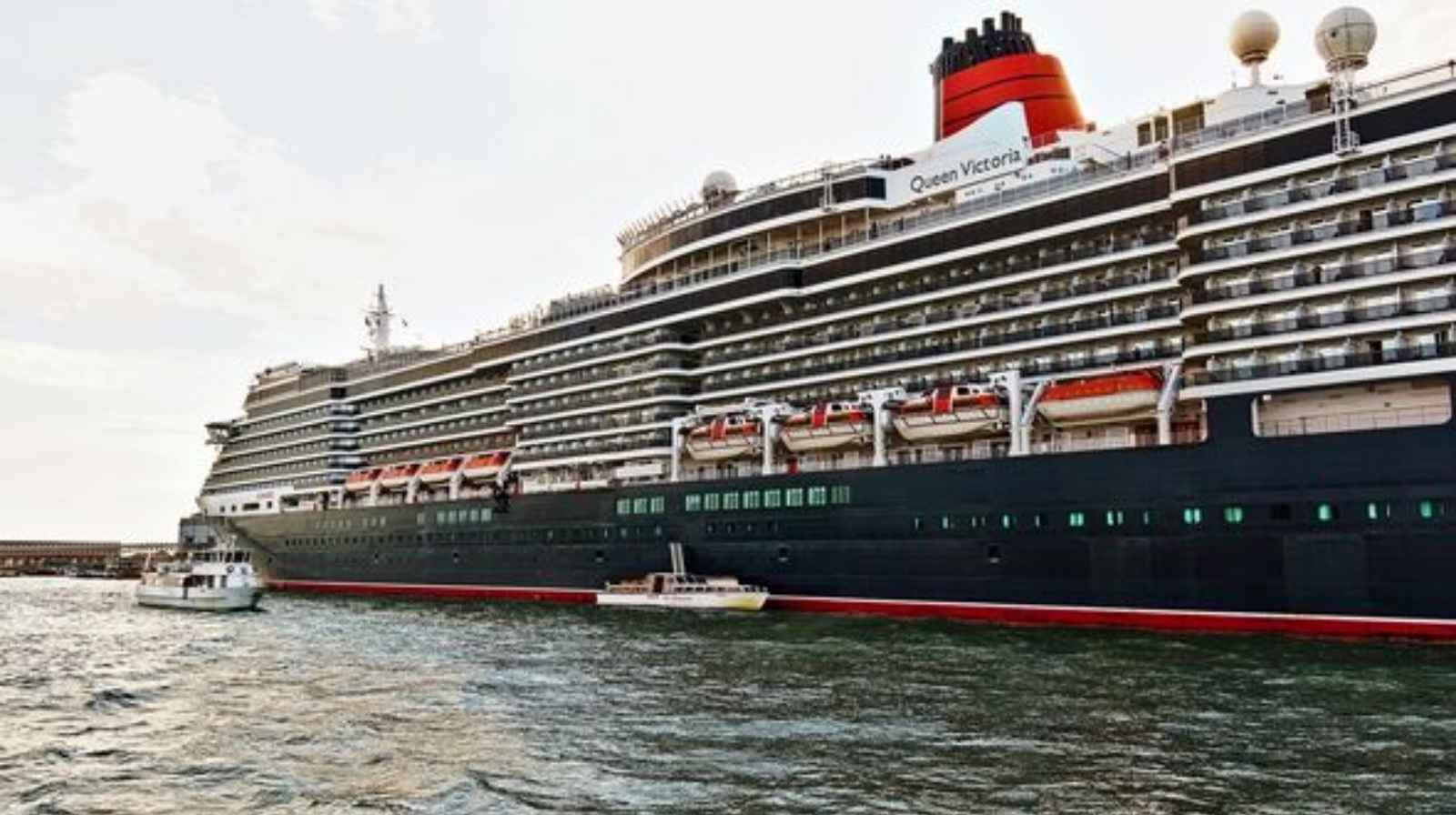
In early 2026, travelers are more aware than ever of maritime security. The rise in piracy warning luxury cruise passengers notifications across select global routes has sparked questions about risk, prevention, and smart itinerary planning. This guide explores how modern cruise piracy works, why cruise security alerts increased after piracy incidents 2025, and what cruise lines are doing to protect passenger safety. You’ll learn about real-world warnings involving Cunard Queen Anne and Carnival cruise warnings, digital piracy concerns, global piracy hotspots like the Gulf of Guinea and Red Sea, and safer alternatives such as Mediterranean cruises and Alaska cruises. By the end, you’ll know how to evaluate risk, interpret travel advisories, and choose low-risk itineraries confidently.
Understanding Cruise Piracy Risks in 2026
What Is Modern Cruise Piracy and Why Warnings Are Issued?
Modern cruise piracy differs significantly from the dramatic hijackings often shown in films. In 2026, most incidents involve opportunistic attacks, speedboat threats, or attempted armed robberies targeting cargo vessels rather than passenger ships. However, when a luxury liner enters piracy hotspots, cruise ship security teams may issue piracy warning luxury cruise passengers notifications as precautionary measures.
These warnings typically relate to:
- Increased activity noted in the IMB Piracy Report (published by the International Maritime Bureau, a global authority monitoring maritime crime).
- Government travel advisories issued by maritime agencies.
- Intelligence reports about armed groups operating in specific sea lanes.
Cruise security alerts are not confirmation of imminent attack. Instead, they activate heightened security protocols. These may include blackout drills, deck restrictions after dark, increased lookout patrols, and coordination with naval patrols.
The key reason warnings increased after piracy incidents 2025 is transparency. Cruise companies now communicate risks more openly, reducing cruise anxiety by explaining what steps are being taken.
Passenger safety remains the core priority. Unlike cargo vessels, cruise ships travel faster, use evasive routing technology, and maintain layered security systems designed to deter threats before they escalate.
Global Hotspots
While piracy against cruise ships remains rare, certain regions consistently appear in maritime risk analyses. Based on recent security briefings, the primary piracy hotspots include:
- Sulu-Celebes Sea (between the Philippines, Malaysia, and Indonesia)
- Southeast Asia waters
- Gulf of Guinea (off West Africa)
- Red Sea
- Singapore Straits
- Gulf of Aden
The Gulf of Guinea has historically recorded the highest number of violent maritime crimes. Meanwhile, the Red Sea and Gulf of Aden saw renewed instability following geopolitical tensions, prompting military escorts for select vessels.
To clarify regional risk differences, consider the table below:
| Region | Risk Level (Cruise Ships) | Typical Threat Type | Military Presence |
| Gulf of Guinea | Moderate | Armed robberies | Limited naval patrols |
| Red Sea | Elevated | Drone & speedboat threats | Strong military escorts |
| Sulu-Celebes Sea | Moderate | Kidnap attempts (cargo ships) | Regional naval patrols |
| Mediterranean Sea | Low | Petty theft | High maritime surveillance |
| Baltic Sea | Very Low | Minimal | NATO patrol routes |
Luxury cruises rarely dock in the most dangerous zones. Instead, they may transit through them with enhanced security protocols.
Rarity on Luxury Cruises
Despite increased visibility of piracy threats, confirmed attacks on luxury cruises remain extremely rare. Premium operators such as Cunard, a historic British cruise line founded in 1840, or Royal Caribbean, one of the world’s largest cruise operators, invest heavily in cruise ship security systems.
These protections include:
- Armed guards onboard select high-risk voyages.
- Water cannons to deter small craft.
- Reinforced hull designs.
- Real-time satellite surveillance.
- Rapid naval coordination systems.
When Cunard Queen Anne embarked on her maiden world voyage, heightened awareness followed transit through certain waters. However, no boarding occurred. Instead, proactive deck restrictions and onboard announcements ensured compliance with security protocols.
Luxury vessels maintain higher cruising speeds than cargo ships. Speed is one of the most effective deterrents against small speedboat threats.
The data shows that piracy incidents 2025 primarily targeted cargo shipping. Passenger-targeted attacks remain statistically negligible. However, cruise lines continue issuing alerts to maintain transparency and preparedness.
Digital Piracy Angle
An often overlooked aspect of cruise security alerts involves digital piracy warnings. In 2026, onboard networks enforce strict streaming violations policies. Cruise lines like MSC cruise and Carnival monitor bandwidth usage to prevent illegal content sharing.
Digital piracy warnings can involve:
- Cruise fines for unauthorized downloads
- VPN restrictions while using ship Wi-Fi
- Suspended access for repeated violations
These measures are not related to maritime crime but intellectual property protection. However, both physical and digital security efforts reflect broader passenger safety strategies.
Passengers should avoid:
- Using peer-to-peer file sharing.
- Attempting to bypass VPN restrictions.
- Downloading copyrighted media onboard.
Understanding this distinction prevents confusion between piracy threats at sea and digital piracy issues within cruise networks.
Case Studies: Key 2025 Luxury Cruise Piracy Incidents
Lessons from Real Warnings on Cunard, Carnival, and More
The piracy incidents 2025 reshaped how cruise lines communicate risk. Rather than alarming passengers, companies began issuing structured cruise security alerts before entering high-risk waters.
Let’s examine key cases.
Cunard Queen Anne Incident
Cunard Queen Anne, part of the Cunard fleet and known for refined world voyages, issued an onboard announcement while transiting near the Sulu-Celebes Sea.
Passengers reported:
- Temporary deck restrictions
- Nighttime lighting adjustments (blackout drills)
- Crew instructions to avoid open decks after sunset
Importantly, no attack occurred. However, passenger reactions spread quickly across Reddit cruise stories and social media.
The incident reinforced three lessons:
- Transparency reduces panic.
- Clear crew instructions matter.
- Prepared ships deter opportunistic attacks.
Carnival’s Dual Warnings
Carnival cruise warnings drew headlines after two separate routes required enhanced security while crossing sections of Southeast Asia waters and near the Red Sea.
Measures included:
- Armed guards onboard
- Increased radar monitoring
- Naval patrol coordination
Again, no direct confrontation occurred. Carnival’s communications focused on passenger safety, emphasizing that such precautions are routine when navigating piracy hotspots.
These warnings demonstrated a shift in industry culture: proactive disclosure instead of silence.
Other Notable Cases
Other cruise brands, including MSC cruise and Royal Caribbean, adjusted routes to avoid high-risk itineraries near the Gulf of Aden.
These reroutes sometimes replaced Red Sea crossings with Mediterranean cruises, highlighting growing preference for safer cruise routes in 2026.
Passenger Stories: Real Experiences from Reddit and TikTok
What Cruisers Are Saying, First-Hand Accounts from 2025 Incidents
Social media amplified public perception. Reddit cruise stories often described calm, structured briefings rather than chaos.
Common passenger reactions included:
- Initial cruise anxiety
- Relief after detailed onboard announcements
- Appreciation for visible armed guards
TikTok testimonials often showed empty decks at night, reinforcing deck restrictions.
Most passengers described the experience as precautionary rather than frightening. This aligns with broader maritime data showing low actual attack rates.
Common Themes
Across Reddit and TikTok testimonials, recurring themes included:
- Trust in cruise ship security
- Surprise at how organized responses were
- Positive feedback about crew professionalism
Passengers consistently noted that communication shaped their perception more than the actual risk level.
Safer Route Alternatives: Avoiding High-Risk Areas in 2026
Smarter Sailing, Route Alternatives for Luxury Cruises
Travelers seeking low-risk itineraries increasingly choose:
- Mediterranean cruises
- Baltic Sea routes
- Alaska cruises
- Northern European voyages
These regions fall outside major piracy hotspots and benefit from strong maritime surveillance networks.
Risky vs. Safer Routes
Below is a simplified comparison:
| Route Type | Risk Assessment | Popular Cruise Lines |
| Red Sea Transit | Elevated | MSC cruise |
| Gulf of Guinea Passage | Moderate | Limited luxury liner routes |
| Mediterranean cruises | Low | Royal Caribbean |
| Alaska cruises | Very Low | Cunard |
| Baltic Sea routes | Very Low | MSC cruise |
European cruises dominate bookings in 2026 partly because they avoid Southeast Asia waters and similar risk corridors.
How to Choose Safe Itineraries
To reduce risk:
- Monitor travel advisories issued by maritime authorities.
- Review IMB Piracy Report summaries.
- Check cruise security alerts via official channels.
- Use tools like the CLIA app (Cruise Lines International Association platform) for updates.
- Choose low-risk itineraries over piracy hotspots.
How to Stay Safe on Luxury Cruises: Expert Tips
Cruise safety tips for 2026 focus on awareness rather than fear.
Passengers should:
- Follow crew instructions immediately.
- Respect blackout drills.
- Avoid restricted deck areas.
- Purchase piracy-inclusive insurance as part of travel coverage.
- Stay informed via onboard announcements.
Cruise ship security is layered. It includes:
- Armed guards on select routes
- Water cannons for deterrence
- Military escorts in conflict zones
- Real-time monitoring systems
Passenger safety improves dramatically when cooperation matches professional security protocols.
Conclusion
Luxury cruise piracy alerts in 2026 reflect transparency, not rising danger. While piracy threats remain geographically concentrated in areas like the Gulf of Guinea, Red Sea, and Sulu-Celebes Sea, confirmed attacks on luxury liners remain exceptionally rare.
The lessons from piracy incidents 2025 reshaped communication standards across Cunard, Carnival cruise warnings, Royal Caribbean, and MSC cruise operations. Proactive alerts, deck restrictions, and visible armed guards now serve as reassurance rather than alarm.
For travelers seeking peace of mind, Mediterranean cruises, Alaska cruises, Baltic Sea routes, and broader European cruises offer low-risk itineraries. By combining informed planning, awareness of travel advisories, and adherence to cruise safety tips, passengers can enjoy world cruises confidently in 2026.
FAQ: Luxury Cruise Piracy Alerts
Q1: How common are piracy attacks on luxury cruises?
Extremely rare. Most piracy incidents target cargo ships, not passenger vessels.
Q2: What should I do during a piracy alert?
Follow crew instructions, avoid restricted areas, and stay calm during security protocols.
Q3: Are Mediterranean cruises safer than Southeast Asia?
Yes. Mediterranean cruises operate in low-risk maritime zones compared to Southeast Asia waters.
Q4: What’s digital piracy on cruises?
It involves streaming violations, illegal downloads, and VPN restrictions onboard.
Q5: How can I check cruise safety?
Monitor travel advisories, review IMB Piracy Report summaries, and use cruise security alerts.
Q6: Do cruises have armed security?
Yes, some ships deploy armed guards when transiting piracy hotspots.
Q7: Should I buy travel insurance for piracy?
Yes, piracy-inclusive insurance provides coverage for route changes or disruptions.
Q8: Are world cruises safe in 2026?
Yes. With rerouting strategies, naval patrols, and advanced cruise ship security, world cruises remain safe and operational.

Zara Lane is an experienced writer at BlessingAndShine, specializing in creating heartfelt and inspiring blessing articles. With a passion for spreading positivity and hope, she crafts messages that bring comfort, joy, and encouragement to readers. Zara combines creativity, empathy, and real-world insight to produce content that uplifts spirits, fosters connection, and helps readers celebrate meaningful moments in life.