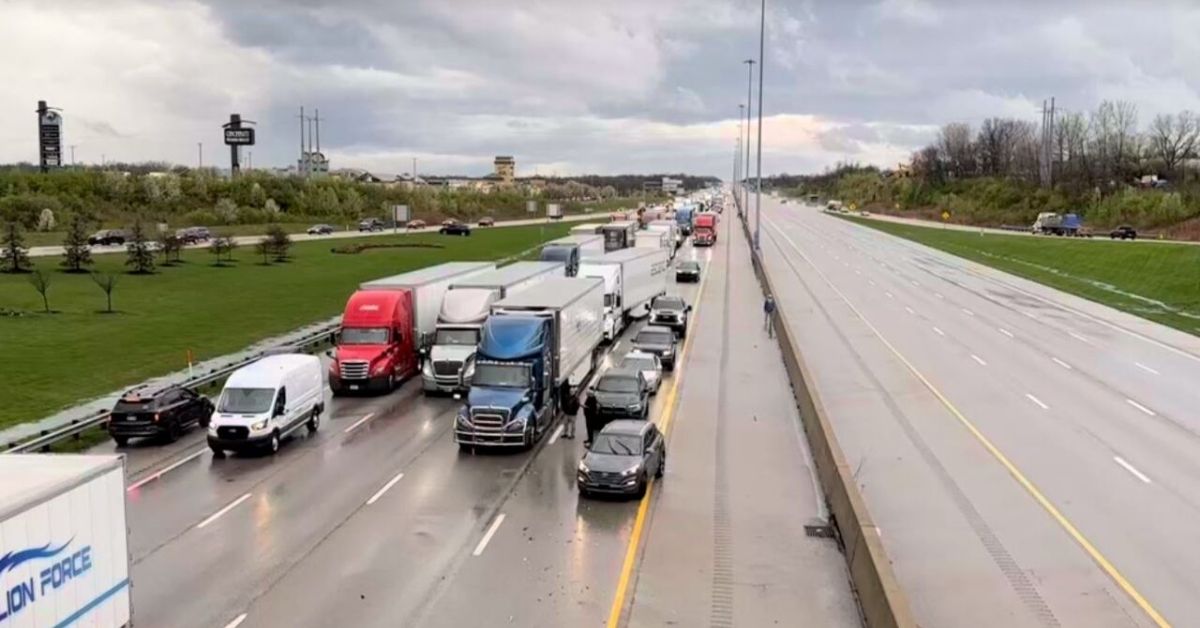
In early 2026, drivers and communities along I-75 faced an unexpected crisis: the i-75 power line shutdown. What caused this sudden disruption, and why did it bring major highways to a standstill? From downed power lines creating hidden hazards to highway detours and extended commuter delays, the outage revealed how fragile our electrical grid can be. Utility companies and emergency services raced against time to restore power, yet the incident exposed weaknesses in aging infrastructure and public preparedness. Beyond the traffic chaos, local businesses suffered, supply chains stalled, and communities felt the ripple effects—highlighting urgent lessons in infrastructure resilience we can’t afford to ignore.
What Happened During the I-75 Power Line Shutdown?
In early 2026, a significant i-75 power line shutdown caused widespread disruption across multiple states, drawing attention to the vulnerabilities of the electrical grid and the cascading effects of utility failures. The shutdown occurred when high-voltage lines serving key sections of the Interstate 75 corridor experienced unexpected equipment failure, compounded by aging infrastructure and severe weather conditions. This incident not only led to widespread traffic disruption but also exposed critical gaps in infrastructure resilience and emergency preparedness. From road closures and highway detours to delayed emergency response, the I-75 event highlighted how dependent communities are on a stable electrical grid, and the importance of proactive planning to minimize such disruptions.
Impact on Traffic and Public Safety
The I-75 power line shutdown had immediate consequences for commuters and public safety officials. With portions of the highway rendered impassable, local authorities implemented alternative routes and highway detours to manage the growing congestion. Unfortunately, bottlenecks quickly formed, resulting in hours of commuter delays and increased risks for accidents.
Traffic agencies reported:
- Extended road closures at major interchanges
- Highway detours through residential streets, adding stress to local roads
- Emergency response vehicles facing delays due to obstructed routes
Public safety concerns were equally significant. Downed power lines posed a risk of electrocution, forcing residents and travelers to maintain safe distances. Emergency services, including fire departments and local law enforcement, coordinated efforts to secure the affected areas and guide the public away from hazardous zones. This event underscored how traffic & safety and utility infrastructure are deeply interconnected, especially during sudden grid outages.
Utility Response and Agencies Involved
The swift response from utility companies was critical in mitigating the I-75 power line shutdown. Crews deployed immediately to assess equipment failure, identify damaged components, and restore energy transmission. Coordination involved:
- Utility crews conducting on-site repairs and implementing temporary fixes
- Emergency management teams providing logistics and safety oversight
- Local law enforcement ensuring safe traffic flow and perimeter security
- Regulatory bodies monitoring compliance and reporting progress to the public
Real-time monitoring and smart technologies played an essential role in diagnosing outages and prioritizing repairs. However, the incident revealed gaps in infrastructure resilience, especially in areas served by aging infrastructure, where delays were longer due to outdated equipment. The collaboration between emergency services and utility companies demonstrated the importance of multi-agency coordination during large-scale power disruptions.
Ripple Effect on Local Economies
Beyond the immediate safety and transportation concerns, the I-75 power line shutdown caused measurable disruptions to local economies. Retail stores and service providers along the corridor saw a sharp foot traffic decline, while supply chain delays affected both regional and national distributors. Tourism impact was notable in areas dependent on travelers passing through the highway, as closures diverted visitors and created a ripple of financial strain for small businesses.
A summary of economic impacts observed:
| Impact Area | Effect Observed | Duration |
| Local businesses | Foot traffic decline | 24–48 hours |
| Supply chain | Delayed deliveries | 2–3 days |
| Tourism | Reduced visitors | 1 week |
| Utilities | Extra operational costs | Ongoing |
This table illustrates the interconnected consequences of a power line shutdown, emphasizing how a single infrastructure failure can affect communities far beyond the immediate physical damage.
Importance of Clear Public Communication
During the crisis, public communication became a crucial factor in managing panic and maintaining safety. Authorities leveraged emergency alerts, social media updates, and awareness campaigns to guide commuters, inform residents of alternate routes I-75, and provide safety advice regarding power line safety measures.
Effective communication strategies included:
- Real-time updates on highway closures and traffic disruption
- Instructions for community preparedness and safety around downed power lines
- Coordination with local news outlets to amplify messages
The I-75 event highlighted how community preparedness and proactive messaging can reduce risk, increase compliance with safety measures, and maintain public trust during emergencies.
Conclusion
The I-75 power line shutdown highlighted the critical need for infrastructure resilience, proactive maintenance, and advanced real-time monitoring of the electrical grid. From traffic disruption and public safety risks to economic setbacks for local businesses, the incident revealed how dependent communities are on stable energy transmission. Coordinated efforts by utility companies, emergency services, and regulatory bodies mitigated the impact, but gaps remain. Investing in smart technologies, upgrading aging infrastructure, and improving public communication are essential steps to prevent future power line shutdowns. Strengthening the national grid ensures safer highways, reliable energy, and resilient communities for the long terms
FAQS
What caused the I-75 shutdown?
The I-75 shutdown resulted from equipment failure on high-voltage power lines, worsened by aging infrastructure and severe weather, exposing vulnerabilities in the electrical grid.
How did the power line affect traffic?
Downed power lines and road closures caused major traffic disruption, highway detours, commuter delays, and bottlenecks, impacting both daily commuters and emergency services along I-75.
How to prepare for power outages?
Maintain emergency kits, backup generators, and charged devices. Stay informed through public communication, emergency alerts, and follow community preparedness guidance to ensure safety.
What are alternate routes on I-75?
Drivers should use designated highway detours and alternative routes indicated by local authorities to avoid affected areas and reduce commuter delays during outages.
What power line safety measures should be followed?
Avoid downed power lines, maintain distance, report hazards to utility companies, and follow instructions from emergency services to prevent electrocution or injury.
Which agencies respond to power line shutdowns?
Utility crews, emergency management, local law enforcement, and regulatory bodies coordinate restoration, ensure safety, and manage traffic during grid outages.
How does a shutdown impact local businesses?
Shutoffs reduce foot traffic, delay deliveries, disrupt supply chains, and create financial strain, particularly affecting small retailers and tourism-dependent communities.
Can such shutdowns indicate National Grid vulnerability?
Yes, large-scale outages reveal weaknesses in aging infrastructure, inadequate real-time monitoring, and highlight the need for infrastructure resilience and preventive upgrades.

Zara Lane is an experienced writer at BlessingAndShine, specializing in creating heartfelt and inspiring blessing articles. With a passion for spreading positivity and hope, she crafts messages that bring comfort, joy, and encouragement to readers. Zara combines creativity, empathy, and real-world insight to produce content that uplifts spirits, fosters connection, and helps readers celebrate meaningful moments in life.