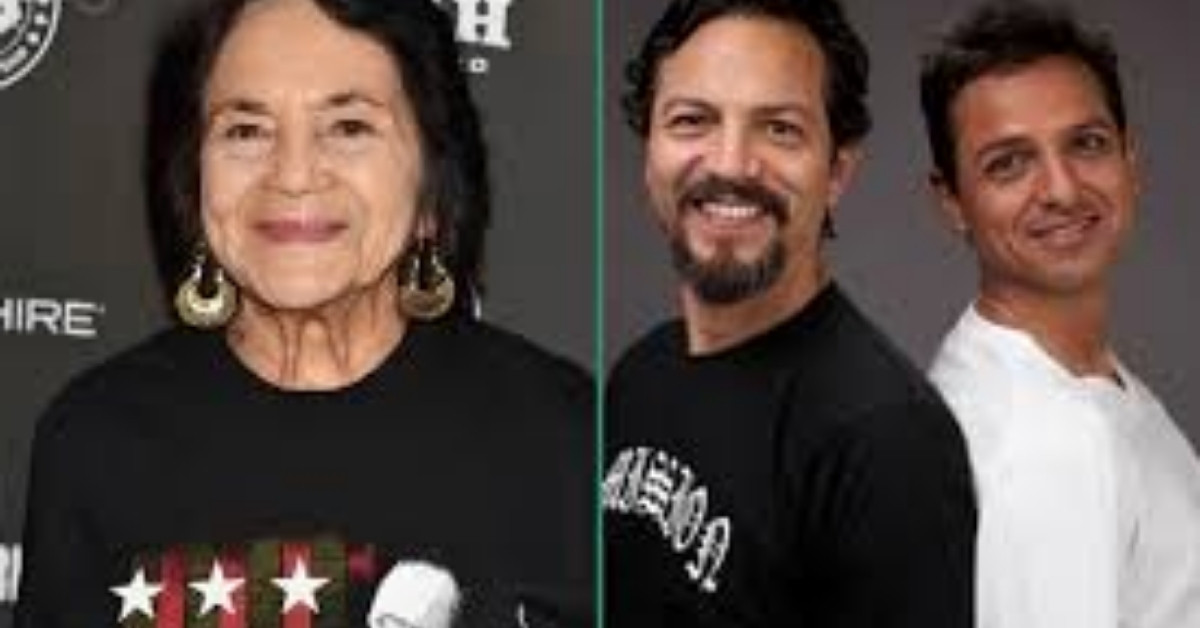
In the story of immigration, activism, and cultural resilience in America, few lives represent the fusion of service and storytelling as powerfully as eldy banda. A Peruvian-born nurse, activist, and mother of acclaimed actors and filmmakers, she embodies dedication to community empowerment and multicultural storytelling. Born in Lima Peru 1940 and shaped by her Quechua heritage, she carried her cultural pride into every stage of life—from healthcare and civic responsibility to the entertainment industry. This article explores her early influences, career achievements, activism, and lasting impact. Through resilience, empathy, and compassionate care, she has helped shape marginalized communities and inspire the Bratt family’s creative and social justice commitments.
Quick Facts
| Fact | Details |
| Full Name | Eldy Banda |
| Birth | Lima Peru 1940 |
| Heritage | Quechua heritage (Indigenous Andean roots) |
| National Identity | United States immigrant |
| Profession | Peruvian-born nurse |
| Secondary Role | Activist and indigenous rights advocate |
| Spouse | Peter Bratt Sr. |
| Children | Benjamin Bratt, Peter Bratt Jr. |
| Public Recognition | Known widely as Benjamin Bratt mother |
| Healthcare Work | Nursing career community service in San Francisco California |
| Activism Focus | Indigenous rights, social justice, community empowerment |
| Historical Era Connection | 1969 Alcatraz occupation movement period |
| Film Association | Follow Me Home documentary |
| Film Festival | Sundance Film Festival |
| Major Award | Audience Award 1996 |
| Additional Recognition | Cine Golden Eagle Award |
| Television Link | Homicide Life on the Street (Benjamin Bratt role) |
| Film Link | Blood In Blood Out |
| Industry Influence | Entertainment producer influence through family collaborations |
| Core Values | Resilience, empathy, cultural pride, civic responsibility |
| Community Impact | Advocacy for marginalized communities and mentorship |
Early Life and Influences of Eldy Banda
Growing Up in Lima Peru 1940
Eldy Banda was born in Lima Peru 1940, during a time when social and economic inequality deeply affected Indigenous populations. As someone rooted in Quechua cultural heritage, she grew up understanding both the richness of Indigenous identity and the challenges that came with it. Peru in the mid-20th century was marked by social stratification, and Indigenous communities often faced marginalization.
Her upbringing fostered resilience and cultural pride. Being raised in a society where Quechua heritage was frequently undervalued helped shape her identity as an indigenous rights advocate later in life. She learned early the importance of empathy, community solidarity, and civic responsibility.
Migration to the United States marked a major turning point. As a United States immigrant, she entered a new country with limited resources but strong determination. Immigrant life in San Francisco California during the 1960s required adaptability and strength. These formative experiences laid the groundwork for her future as a Peruvian-born nurse, activist, and mentor.
Eldy Banda’s Career Highlights
A Life Bridging Healthcare and Entertainment
Eldy Banda’s professional path is unique because it bridges two worlds: healthcare and entertainment. On one hand, she built a nursing career community service rooted in compassionate care. On the other, she played an influential role in multicultural storytelling within film and television through her family’s creative projects.
Her identity within the Bratt family—particularly as Benjamin Bratt mother—brought her into public awareness. Benjamin Bratt, known for his work in projects such as Homicide Life on the Street and Blood In Blood Out, often credits his upbringing and cultural values to her influence. Her sons, including Peter Bratt Jr., who became a filmmaker and entertainment producer, also reflect her impact.
Rather than pursuing fame for herself, Eldy Banda helped guide narratives that highlighted marginalized communities. Her life demonstrates how professional dedication and family mentorship can intersect to create broader cultural influence.
Breakthrough as a Producer
Follow Me Home Documentary and Film Recognition
One of the most important milestones associated with Eldy Banda’s creative influence is the Follow Me Home documentary, directed by Peter Bratt Jr. The film gained attention at the Sundance Film Festival, a globally respected platform that showcases independent cinema. Sundance has long served as a launching pad for socially conscious films, and this project aligned closely with themes of social justice and identity.
The film earned the Audience Award 1996, demonstrating its resonance with viewers. It also received recognition such as the Cine Golden Eagle Award and was screened at the San Francisco International Film Festival, further highlighting its cultural impact.
Below is a table summarizing the key recognitions connected to these projects:
| Award / Festival | Significance | Cultural Impact |
| Audience Award 1996 | Audience-voted recognition | Demonstrated strong public support |
| Cine Golden Eagle Award | Prestigious film honor | Validated artistic merit |
| Sundance Film Festival | Premier indie festival | Elevated multicultural storytelling |
| San Francisco International Film Festival | Major global showcase | Strengthened local community ties |
These achievements reinforced Eldy Banda’s role as a guiding force behind projects focused on Indigenous rights and representation.
Acting Career Highlights
Influence Through Representation
While primarily known as a nurse and activist, Eldy Banda also supported acting careers within her family. Her son Benjamin Bratt’s performances in Homicide Life on the Street and Blood In Blood Out brought attention to Latino and Indigenous representation in mainstream media.
Homicide Life on the Street, a critically acclaimed television drama, helped redefine crime storytelling in the 1990s by emphasizing realism. Blood In Blood Out explored Chicano identity, incarceration, and systemic inequality—topics closely connected to social justice and marginalized communities.
Through her encouragement, Eldy Banda helped foster a household where art was viewed as a tool for advocacy. This blend of activism and creative expression strengthened her family’s commitment to authentic representation and multicultural storytelling.
Awards and Professional Recognition
Recognition Beyond Entertainment
Beyond film-related honors, the broader Bratt family received accolades such as the Emmy Award American Family recognition for work connected to socially impactful media. While awards acknowledge artistic excellence, they also reflect the values Eldy Banda instilled: resilience, empathy, and cultural pride.
Awards serve multiple purposes:
- They validate representation in media.
- They amplify Indigenous voices.
- They encourage continued activism.
- They inspire younger generations.
Such recognition not only celebrates creative success but also reinforces civic responsibility. Eldy Banda’s influence is evident in how these projects consistently address marginalized communities and advocate for Indigenous rights.
Nursing Career and Community Service
Compassionate Care in San Francisco California
Long before public recognition through film, Eldy Banda built a meaningful nursing career community service in San Francisco California. Healthcare during the 1960s and 1970s demanded both technical skill and deep compassion. As a Peruvian-born nurse and immigrant woman, she worked within diverse communities, often serving underrepresented populations.
Her nursing philosophy centered on compassionate care and empathy. She believed that healthcare was more than medical treatment—it was about dignity, respect, and cultural understanding. This perspective aligned closely with her Quechua cultural heritage, which values communal responsibility and intergenerational support.
Key aspects of her nursing values included:
- Treating patients with cultural sensitivity
- Mentorship of younger healthcare workers
- Advocacy for marginalized communities
- Promoting preventive health education
Her healthcare work mirrored her activism: both aimed to empower communities and address inequality.
Eldy Banda’s Impact on Her Community
Activism and the 1969 Alcatraz Occupation
Eldy Banda’s activism connected closely to Indigenous rights movements in the United States. The 1969 Alcatraz occupation, led by Native American activists who occupied Alcatraz Island to demand treaty rights and cultural recognition, became a defining moment in modern Indigenous rights advocacy.
Though not always in the spotlight, Eldy Banda supported causes aligned with this movement’s goals: community empowerment and social justice. As an indigenous rights advocate, she encouraged dialogue around identity and self-determination.
Her community impact includes:
- Supporting Indigenous rights awareness
- Promoting multicultural storytelling
- Encouraging civic responsibility within immigrant families
- Advocating for marginalized communities
Her role exemplifies how activism can exist both publicly and privately—through family, mentorship, and daily actions.
Challenges and Overcoming Adversity
Resilience as a United States Immigrant
Immigrant life is rarely easy. As a United States immigrant from Lima Peru, Eldy Banda faced language barriers, economic challenges, and cultural adjustment. Women of color in healthcare and activism often confronted systemic discrimination.
However, resilience defined her journey. She navigated adversity through determination and community support. Her Quechua heritage provided grounding, while her commitment to social justice offered purpose.
Common challenges she overcame included:
- Cultural assimilation pressures
- Workplace discrimination
- Balancing motherhood and professional life
- Financial constraints
Rather than retreat, she used these experiences to strengthen her advocacy. Her life demonstrates that resilience is not simply endurance—it is transformation through adversity.
Personal Life and Family Influence
The Bratt Family Legacy
Eldy Banda’s marriage to Peter Bratt Sr. and her role within the Bratt family deeply influenced American cinema and activism. Peter Bratt Jr., as a filmmaker and entertainment producer, and Benjamin Bratt, as a prominent actor, often credit their mother’s cultural pride and mentorship for shaping their perspectives.
As Benjamin Bratt mother, she emphasized:
- Cultural identity and Quechua roots
- Empathy in storytelling
- Civic responsibility
- Advocacy for Indigenous rights
Her mentorship extended beyond her children to community members. She believed family was not only biological but communal—a principle aligned with Indigenous traditions.
The combination of activism, nursing, and artistic influence makes her legacy multidimensional.
Final Thoughts
Eldy Banda’s life reflects the power of resilience, compassion, and cultural pride. From her beginnings in Lima Peru 1940 to her journey as a Peruvian-born nurse and United States immigrant in San Francisco California, she built a life rooted in service and advocacy.
Her influence extends across healthcare, activism, and entertainment. Through projects recognized at the Sundance Film Festival and honored with awards such as the Audience Award 1996 and the Cine Golden Eagle Award, her commitment to multicultural storytelling has reached global audiences.
More importantly, her dedication to Indigenous rights, social justice, mentorship, and community empowerment continues to inspire marginalized communities.
Eldy Banda stands as a powerful example of how one individual—through empathy, civic responsibility, and compassionate care—can shape family, culture, and society for generations.
FAQS
Who is Eldy Banda?
Eldy Banda is a Peruvian-born nurse, activist, and indigenous rights advocate known as Benjamin Bratt mother and a strong influence on multicultural storytelling.
Where was Eldy Banda born?
She was born in Lima Peru 1940 and later became a United States immigrant, building her life and nursing career in San Francisco California.
What is Eldy Banda’s cultural background?
Eldy Banda has Quechua heritage, connecting her to Indigenous Andean roots and shaping her lifelong commitment to cultural pride and Indigenous rights advocacy.
What is Eldy Banda known for professionally?
She is primarily known as a Peruvian-born nurse dedicated to community service, compassionate care, and supporting marginalized communities through healthcare and activism.
How is Eldy Banda connected to Benjamin Bratt?
Eldy Banda is Benjamin Bratt mother, influencing his cultural identity, social justice awareness, and career choices in film and television.
What activism is Eldy Banda associated with?
She is linked to Indigenous rights advocacy, social justice efforts, and movements inspired by the 1969 Alcatraz occupation era.
What film projects are connected to Eldy Banda’s family?
Her family is associated with Follow Me Home documentary, recognized at the Sundance Film Festival and honored with the Audience Award 1996.
What values define Eldy Banda’s legacy?
Her legacy centers on resilience, empathy, mentorship, civic responsibility, cultural pride, and lifelong dedication to community empowerment.

Zara Lane is an experienced writer at BlessingAndShine, specializing in creating heartfelt and inspiring blessing articles. With a passion for spreading positivity and hope, she crafts messages that bring comfort, joy, and encouragement to readers. Zara combines creativity, empathy, and real-world insight to produce content that uplifts spirits, fosters connection, and helps readers celebrate meaningful moments in life.