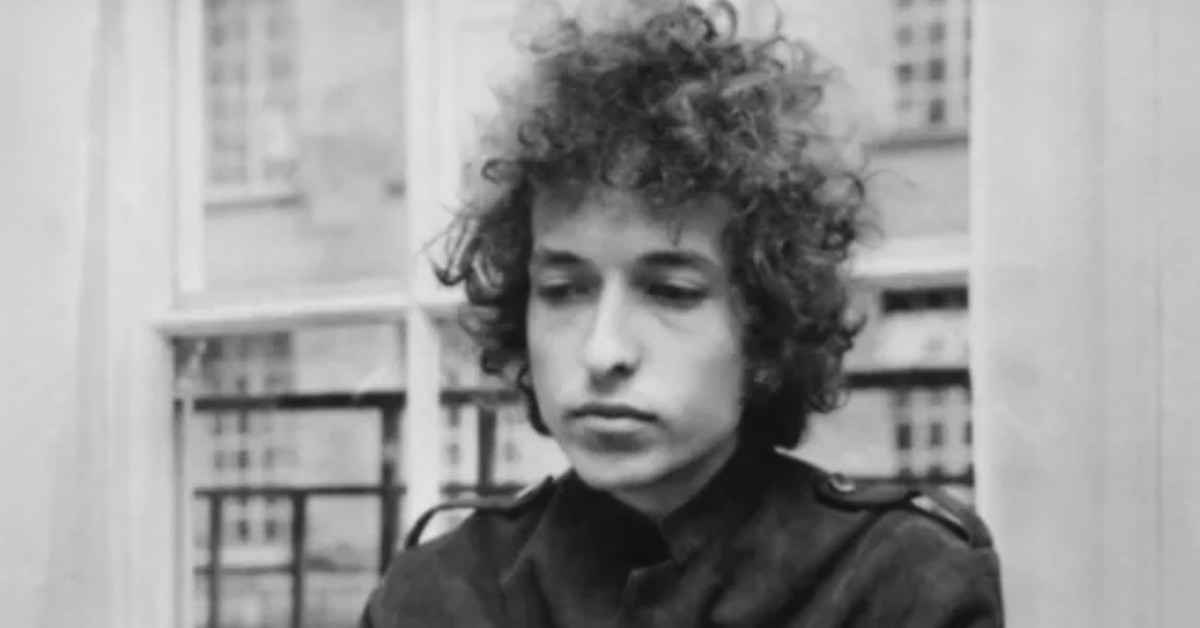
Bob Dylan, born Robert Allen Zimmerman on May 24, 1941, in Duluth, Minnesota, is an iconic American singer, songwriter, and artist whose influence spans folk music, rock and roll, blues, country, and gospel. Over a career spanning six decades, Dylan has produced 35 studio albums, written over 600 songs, and won prestigious awards including the Nobel Prize in Literature, Pulitzer Prize, Grammys, and Golden Globes.
His music has shaped the counterculture generation, while strategic business moves like catalog and master recording sales have contributed massively to his wealth. This article explores Dylan’s financial journey, including Bob Dylan net worth, his music catalog royalties, real estate, and other ventures, providing a detailed, data-driven overview of his fortune.
Quick Facts
| Category | Quick Facts |
| Full Name | Robert Allen Zimmerman |
| Stage Name | Bob Dylan |
| Date of Birth | May 24, 1941 |
| Place of Birth | Duluth, Minnesota, USA |
| Age | 84 (as of 2026) |
| Occupation | Singer, Songwriter, Artist, Writer |
| Genres | Folk, Rock, Blues, Country, Gospel |
| Awards | Nobel Prize in Literature, Pulitzer Prize, 10 Grammy Awards, Academy Award, Golden Globe Award |
| Studio Albums | 35 |
| Number of Songs Written | ~600 |
| Most Famous Songs | “Like a Rolling Stone”, “Blowin’ in the Wind”, “The Times They Are A-Changin’” |
| Notable Albums | The Freewheelin’ Bob Dylan, Highway 61 Revisited, Blonde on Blonde |
| Touring | Never-Ending Tour (1988–2020), ~$15 million/year at peak |
| Song Catalog | Sold to Universal Music Publishing Group, includes all publishing rights for 600+ songs |
| Master Recordings | Sold to a major music company for hundreds of millions |
| Annual Income | ~$15 million from royalties and tours historically |
| Net Worth | $300 million – $500 million |
| Major Record Label | Columbia Records |
| Publishing Companies | Universal Music Publishing Group, Sony |
| Covered by Other Artists | Over 6,000 artists worldwide |
| Other Ventures | Visual arts (The Drawn Blank Series), published books, art exhibitions |
| Family | Married Sara Lownds (1965), 4 children |
| Education | University of Minnesota |
| Real Estate Holdings | Malibu and Point Dume, California |
| Historical Context | Key figure in 1960s counterculture, Civil Rights Movement, American folk music revival |
Early Life and Career Beginnings
Robert Allen Zimmerman grew up in Hibbing, Minnesota, and showed a passion for music early on. Inspired by folk music and rock and roll icons, he began performing in local venues while attending the University of Minnesota. In 1961, he moved to New York City, where he caught the attention of Columbia Records producer John Hammond. This marked the official start of Dylan’s professional career.
Early influences like Woody Guthrie and the Civil Rights Movement shaped his songwriting, giving his work a politically conscious and poetic edge. His debut album, Bob Dylan (1962), introduced him to the folk music scene, while collaborations with Joan Baez helped him gain visibility. Dylan’s early career, though modest financially, laid the foundation for the later accumulation of wealth from both music and business ventures.
By the mid-1960s, Dylan had become a household name, and his songs like “Blowin’ in the Wind” and “The Times They Are A-Changin’” were anthems of social change, helping define the counterculture generation. These works were not just culturally significant—they became highly lucrative through royalties and covers by over 6,000 artists worldwide, setting the stage for future wealth accumulation.
Music Career
Bob Dylan’s music career is a cornerstone of his fortune. He has released 35 studio albums, including classics such as “The Freewheelin’ Bob Dylan”, “Highway 61 Revisited”, and “Blonde on Blonde”. His signature hit, “Like a Rolling Stone”, exemplifies his ability to blend storytelling, folk, and rock.
Dylan’s Never-Ending Tour, which ran from 1988 to 2020, was a consistent revenue source, generating significant annual income—estimated at $15 million per year at its peak. In addition, song catalog royalties have proven exceptionally profitable. Dylan’s 600-song catalog, controlled by major publishers like Universal Music Publishing Group and Sony, provides ongoing revenue streams.
Song covers by thousands of artists worldwide amplify these royalties. For example, a single popular cover can generate substantial licensing fees. Dylan’s catalog is also valued on a 20X annual income multiple, meaning the royalty streams alone could account for hundreds of millions of dollars in his net worth. His ability to combine creative output with business savvy has made him one of the wealthiest musicians globally, with estimates ranging from $300 million to $500 million.
Song Catalog Sale
One of the biggest financial moves in Dylan’s career was the sale of his song catalog. In 2020, Dylan sold his complete publishing rights to Universal Music Publishing Group. This includes rights to iconic songs such as “Blowin’ in the Wind”, “The Times They Are A-Changin’”, and “Like a Rolling Stone”.
The sale reportedly fetched close to $300 million, a figure that underscores the immense value of owning publishing rights in the music industry. Song catalog sales offer both immediate cash and long-term income potential for the buyer, who can monetize the works through licensing, streaming, and sync deals. Dylan’s strategic timing maximized value, taking advantage of rising demand for music catalogs from investors seeking reliable royalty streams.
This transaction highlights Dylan’s foresight as both an artist and entrepreneur. Unlike one-off album sales, catalog ownership ensures that artists can continue earning from their creations indefinitely. For Dylan, the sale transformed part of his intangible intellectual property into liquid assets, significantly boosting his net worth.
Master Recording Sale
Beyond publishing rights, Dylan also capitalized on his master recordings—the original versions of his songs. Master rights are distinct from publishing, granting control over distribution, licensing, and commercial usage of actual recordings.
In 2022, Dylan sold a portion of his master recordings to a major music company, reportedly valued in the hundreds of millions. By leveraging both the catalog and master recordings, Dylan ensured he benefited from multiple income streams, securing both upfront payments and potential royalties.
Master recording sales are especially lucrative in the streaming era, where platforms like Spotify, Apple Music, and YouTube generate consistent revenue. For prolific artists like Dylan, whose work spans decades, this represents a long-term, high-value asset. By combining catalog and master rights sales, Dylan exemplifies how legendary musicians can transform cultural influence into financial security.
Other Works and Projects
Dylan is not limited to music. As a visual artist, he has produced paintings and drawings, notably the “The Drawn Blank Series”, exhibited in galleries worldwide. His artwork and published books have further diversified his income streams, adding both prestige and financial gain.
Dylan’s ventures illustrate how creative individuals can monetize multiple forms of intellectual property. His strategy of balancing music, art, and literature has helped maintain an annual income stream even beyond active touring. By leveraging reputation and demand, Dylan ensures that his wealth is not only derived from past works but continues to grow through collectibles, exhibitions, and publications.
Personal Life
Born May 24, 1941, Dylan married Sara Lownds in 1965 and had four children. Despite fame, he has maintained a relatively private personal life, with media attention largely focused on his professional achievements.
Education at the University of Minnesota shaped his early understanding of literature and culture, influencing his poetic songwriting style. Dylan’s dedication to craft, both musically and intellectually, has contributed to his longevity and relevance in the entertainment industry.
Real Estate
Bob Dylan’s real estate portfolio reflects his success. He owns multiple properties, including homes in Malibu and Point Dume, California, which are high-value areas with appreciation potential. These properties contribute to his net worth, both as tangible assets and potential income through leasing or resale.
Owning luxury real estate is common among high-net-worth individuals seeking to diversify assets. For Dylan, property ownership complements his music and art investments, providing stability and additional wealth accumulation outside royalties or sales.
Conclusion
Bob Dylan’s net worth is the product of artistic genius, strategic business moves, and diversified investments. With estimated wealth ranging from $300 million to $500 million, he exemplifies how creative talent can be translated into lasting financial security. Through his song catalog, master recordings, touring, artwork, and real estate, Dylan has created multiple revenue streams, each reinforcing his financial position.
His career—from early folk music in Minnesota to iconic status as a Nobel Prize-winning singer-songwriter—illustrates the intersection of cultural impact and financial acumen. Bob Dylan’s story serves as a model for artists seeking both creative fulfillment and long-term wealth, proving that careful management of intellectual property and diversified ventures can sustain a multi-decade career financially and artistically.

Zara Lane is an experienced writer at BlessingAndShine, specializing in creating heartfelt and inspiring blessing articles. With a passion for spreading positivity and hope, she crafts messages that bring comfort, joy, and encouragement to readers. Zara combines creativity, empathy, and real-world insight to produce content that uplifts spirits, fosters connection, and helps readers celebrate meaningful moments in life.