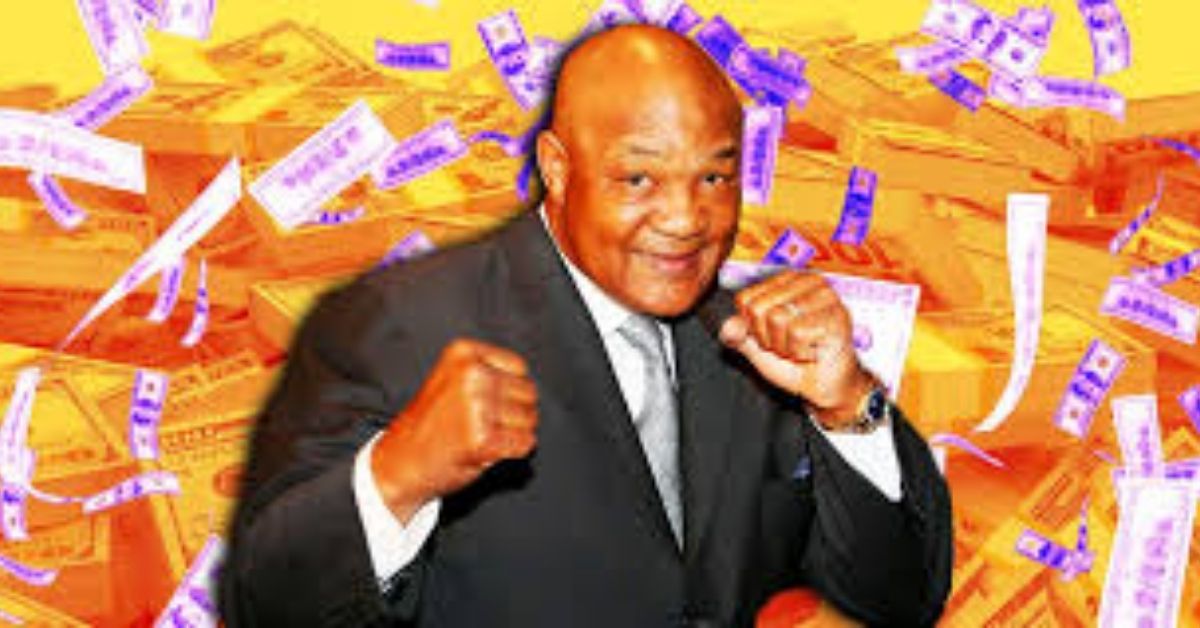
George Foreman net worth tells the story of a man who transcended the boxing ring to build a business empire worth hundreds of millions. Born in a Houston household in 1949, Foreman became a heavyweight boxing champion and an Olympic gold medalist, cementing his place in sports history alongside legends like Muhammad Ali and Joe Frazier.
Yet, it is his post-boxing ventures—turning the George Foreman Grill into a global phenomenon, earning $250 million in royalties, and creating a $300 million estate—that truly define his financial legacy. This article examines his career, family, business ventures, and estate planning, offering a complete picture of the man behind the global pitchman persona.
Quick Facts
| Category | Key Facts & Figures |
| Full Name | George Edward Foreman |
| Birth / Death | Born: 1949, Houston householdDied: March 21, 2025 |
| Boxing Career | Heavyweight boxing champion, Olympic gold medalist, fought Muhammad Ali & Joe Frazier |
| Business Empire | Creator of George Foreman Grill, Lean Mean Fat-Reducing Grilling Machine, partnered with Salton Inc & Spectrum Brands |
| Net Worth | ~$300 million estate; $138 million cash & stock; $250 million in royalties |
| Monthly Earnings (Peak) | ~$8 million per month from endorsements & royalties |
| Grill Sales | 100 million units sold globally |
| Family | 5 marriages, 12 children (5 sons named George Edward Foreman, 7 daughters, including adopted children) |
| Spiritual Life | Ordained minister, emphasized moral and financial guidance for family |
| Endorsements & Brand Deals | Endorsement deals, naming rights, profit-sharing deals, intellectual property management |
| Estate Planning | Family trust, beneficiary designations, inheritance structure, spousal support & alimony planned |
| Legacy | Postretirement legacy as global pitchman, business mogul, and rags-to-riches icon |
1. Spousal Support: Balancing Family and Finances
Managing wealth in the public eye often intersects with personal relationships, and Foreman’s life was no exception. Over his lifetime, he had five marriages, including to Mary Joan Martelly, and fathered twelve children—five sons named George Edward Foreman and seven daughters, including adopted children.
Financially, Foreman navigated complex spousal support, alimony, and divorce decrees, often factoring into his estate planning. Maintaining a family trust, beneficiary designations, and a clear inheritance structure helped safeguard his $138 million cash and stock, along with his $300 million estate, ensuring his children and spouses were provided for.
Key aspects of his approach include:
- Life insurance policy coverage to secure family needs.
- Strategic alimony payments without jeopardizing business ventures.
- A family trust to centralize assets, including intellectual property like the George Foreman Grill brand.
Foreman’s careful planning ensured that while his personal life faced ups and downs, his financial legacy remained strong, allowing his commercial empire to thrive uninterrupted.
2. Foreman the Father: Building a Blended Family Legacy
Foreman’s role as a father extended beyond biological ties. He raised a blended family, emphasizing education, faith, and resilience. As an ordained minister, he instilled moral values, showing that wealth and fame should be balanced with responsibility.
His family strategy involved:
- Naming five sons George Edward Foreman, ensuring a connection to his own legacy.
- Managing adopted children alongside biological children, creating an inclusive environment.
- Leveraging estate planning to avoid disputes and guarantee fair distribution of wealth.
Despite challenges, Foreman used his postretirement legacy to model financial literacy for his children. His $8 million per month earnings during peak endorsement deals, paired with a diversified business empire, provided a blueprint for combining sports fame with smart financial management.
3. Which George? The Many Faces of a Legend
When discussing George Foreman, clarity is essential. Foreman was not just a heavyweight boxing champion—he was a global pitchman, Olympic gold medalist, and ordained minister. Understanding his identity requires separating his multiple roles:
| Role | Description | Key Achievements |
| Boxer | Rags-to-riches athlete | Fought Muhammad Ali and Joe Frazier; two-time heavyweight champion |
| Businessman | Entrepreneur | Created the George Foreman Grill, sold 100 million units |
| Public Figure | Endorser & Pitchman | Secured endorsement deals and naming rights worth hundreds of millions |
| Family Man | Father & Husband | Five marriages, twelve children, blended family guidance |
This multifaceted identity underlines how Foreman’s wealth and influence extended far beyond boxing, demonstrating how athletic success can translate into a commercial empire with lasting impact.
4. Business Champ: From Grill to Global Empire
Foreman’s financial success is inseparable from his business acumen. His partnership with Salton Inc led to the creation of the Lean Mean Fat-Reducing Grilling Machine, which sold 100 million units, turning a simple product into a $250 million in royalties powerhouse. Later, Spectrum Brands helped manage and expand his intellectual property, leveraging profit-sharing deals and brand management strategies.
Key business insights include:
- Diversification of income
- Beyond boxing, Foreman generated steady revenue from endorsement deals, naming rights, and intellectual property.
- Beyond boxing, Foreman generated steady revenue from endorsement deals, naming rights, and intellectual property.
- Scaling globally
- Sold products worldwide while maintaining quality and brand recognition.
- Sold products worldwide while maintaining quality and brand recognition.
- Leveraging fame
- Used personal story and credibility to market products effectively.
- Used personal story and credibility to market products effectively.
His $138 million cash and stock, along with the $300 million estate, demonstrate the power of combining personal brand with strategic business planning.
5. Create a Plan That Performs After the Final Bell
Even champions must plan for life after the spotlight. Foreman’s success in estate planning and wealth management illustrates this principle.
Steps that contributed to his enduring legacy include:
- Establishing a family trust to protect wealth from legal disputes.
- Clearly defining beneficiary designations for all assets, including intellectual property and business empire holdings.
- Structuring inheritance to balance spousal support, alimony, and children’s needs.
- Retaining control over the George Foreman Grill brand through profit-sharing deals and licensing agreements.
This careful planning ensured that his commercial empire remained productive long after retirement, safeguarding his postretirement legacy for future generations.
Conclusion: A Legacy Beyond the Ring
George Foreman transformed his life from a rags-to-riches athlete to a global pitchman and business mogul. With $8 million per month at the peak of his endorsements, $250 million in royalties, and a $300 million estate, he exemplifies how careful estate planning, strategic brand management, and leveraging intellectual property can turn fame into enduring wealth.
From his five marriages and twelve children to the Lean Mean Fat-Reducing Grilling Machine and commercial empire, Foreman’s story blends sport, family, and business success. His legacy shows that even after the final bell, careful planning and disciplined execution can create a financial and personal legacy that endures for generations.

Zara Lane is an experienced writer at BlessingAndShine, specializing in creating heartfelt and inspiring blessing articles. With a passion for spreading positivity and hope, she crafts messages that bring comfort, joy, and encouragement to readers. Zara combines creativity, empathy, and real-world insight to produce content that uplifts spirits, fosters connection, and helps readers celebrate meaningful moments in life.