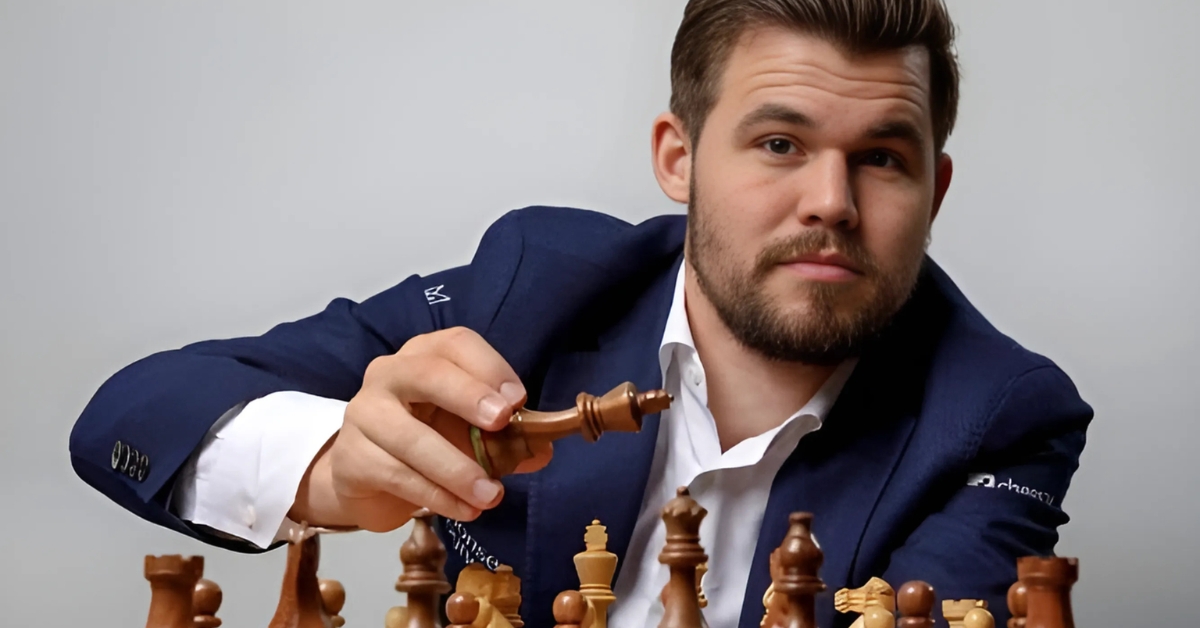
Magnus Carlsen is the most financially successful chess player in history, redefining what elite performance can achieve beyond the board. Best known as a chess grandmaster and five-time World Chess Champion, he combined unmatched competitive dominance with sharp business instincts. His career features the highest peak rating in history at 2882, long-term status as World No. 1 ranked player, and consistent success across classical, rapid chess, and speed chess formats.
Magnus Carlsen net worth reflects far more than tournament prize money, driven by sponsorship deals, brand endorsements, equity in chess tech ventures, and global media presence. Active on the international chess circuit, Carlsen represents strategic brilliance, modern chess innovation, and a multimillion-dollar empire built through sustained excellence.
Quick Facts
| Category | Key Information |
| Full Name | Sven Magnus Øen Carlsen |
| Commonly Known As | Magnus Carlsen |
| Nationality | Norwegian |
| Profession | Professional chess player, chess entrepreneur |
| Title | Chess grandmaster |
| World Championship Titles | Five-time World Chess Champion |
| World No. 1 Ranking | Longest-serving World No. 1 ranked player |
| Highest Peak Rating | 2882 (highest peak rating in history) |
| Primary Formats | Classical, rapid chess, speed chess |
| Estimated Net Worth | Net worth $25 million |
| Net Worth Focus Year | Magnus Carlsen net worth 2025 |
| Main Income Sources | Tournament prize money, sponsorship deals, brand endorsements, business ventures |
| Notable Tournament | Norway Chess tournament |
| Career Prize Winnings | Multi-million in prize winnings across global chess circuit |
| Major Business Venture | Play Magnus Group |
| Industry Focus | Chess tech company, digital chess education |
| Major Corporate Event | Chess.com merger |
| Ownership Type | Equity holder / co-founder |
| Commercial Role | Brand ambassador |
| Key Brand Partnerships | Unibet, G-Star RAW |
| Additional Income Streams | Media appearances, public appearances, speaking events |
| Competitive Status | Active on global chess circuit |
| Modern Rival | Gukesh Dommaraju |
| Legacy | Chess dominance, strategic brilliance, global recognition |
What Is Magnus Carlsen’s Net Worth?
Magnus Carlsen’s net worth is widely estimated at net worth $25 million, making him the wealthiest chess player in history by a significant margin. This figure reflects not only his decades of dominance as a professional chess player but also his evolution into an entrepreneur and global brand ambassador. Unlike earlier generations of chess champions who relied primarily on prize money, Carlsen benefits from diversified income sources tied to technology, media, and brand partnerships.
As a five-time World Chess Champion and long-standing World No. 1 ranked player, Carlsen consistently earned prize winnings from top-tier chess tournaments such as the Norway Chess tournament and other international chess tournaments. While tournament prize money alone rarely creates massive wealth in chess, Carlsen used his competitive success as leverage to build long-term revenue streams.
Another major factor behind Magnus Carlsen net worth is equity ownership. His stake in chess-related technology ventures, particularly Play Magnus Group, added substantial valuation to his personal wealth. When the Play Magnus Group completed its Chess.com merger, Carlsen’s equity holdings significantly boosted his net worth beyond what prize winnings alone could provide.
Importantly, Carlsen’s wealth is not static. His continued activity on the global chess circuit, combined with media appearances, online chess innovation, and speaking events, ensures ongoing income growth. This financial stability places him in a rare category where intellectual sport meets scalable business success.
What Does Magnus Carlsen Do for a Living?
At his core, Magnus Carlsen earns his living as a chess grandmaster, but limiting his career to competitive play alone would miss the bigger picture. Today, Carlsen operates across multiple professional roles that reinforce each other financially and strategically.
First, he remains an active chess competitor. Even after stepping away from defending the classical world title, Carlsen continues to dominate speed chess, rapid chess, and elite invitationals. His peak rating 2882 remains the highest peak rating in history, reinforcing his reputation for strategic brilliance and chess dominance. This credibility keeps him relevant, visible, and marketable.
Second, Carlsen functions as a global chess entrepreneur. Through Play Magnus, he helped pioneer digital chess education, app development, and online training platforms designed for players of all levels. These platforms generate app royalties and recurring revenue while expanding chess participation worldwide.
Third, Carlsen works as a media personality and brand ambassador. He appears in interviews, documentaries, exhibitions, and promotional campaigns tied to global brand partnerships. Companies value his image because he represents intelligence, discipline, and competitive excellence without controversy.
Finally, Carlsen participates in public appearances and speaking events. Corporations and conferences invite him to discuss decision-making, pattern recognition, and competitive strategy—skills directly drawn from elite chess competition but applicable to business and leadership.
Together, these roles explain how much money Magnus Carlsen makes annually and why his income remains resilient even when tournament schedules fluctuate.
Magnus Carlsen’s Earnings Explained — How Does He Make Money?
Magnus Carlsen earnings come from a carefully balanced mix of competitive success, business ownership, and brand monetization. Unlike many athletes who rely on short career peaks, Carlsen structured his income to grow over time.
Tournament Prize Money and Competitive Earnings
Tournament prize money formed the foundation of Carlsen’s early income. As World Chess Champion and consistent winner on the global chess circuit, he earned millions in prize winnings from elite events. While individual chess tournaments rarely match payouts seen in mainstream sports, Carlsen’s consistency across decades allowed cumulative earnings to grow substantially.
Below is a simplified overview of how competitive earnings contribute to his wealth:
| Income Stream | Role in Earnings | Long-Term Impact |
| World Championship matches | High prestige, moderate cash | Brand value growth |
| International chess tournaments | Consistent prize winnings | Stable income |
| Speed and rapid chess events | High frequency | Visibility and relevance |
These earnings validated his elite status and enabled him to pursue larger ventures.
Sponsorship Deals and Brand Endorsements
Sponsorship deals represent one of Carlsen’s most lucrative income sources. As a globally recognized chess grandmaster, he attracted long-term brand partnerships with companies like Unibet and G-Star RAW. These brands use Carlsen as a brand ambassador to associate their products with intelligence, focus, and excellence.
Brand endorsements provide predictable income that does not depend on tournament outcomes. Media appearances, advertising campaigns, and public promotions ensure steady revenue while enhancing global recognition.
Business Ventures and the Play Magnus Group
The most transformative element of Magnus Carlsen net worth comes from business ventures. Carlsen co-founded Play Magnus Group, a chess tech company focused on digital chess education, training apps, and online chess ecosystems. This move positioned him not just as a player but as a chess industry architect.
The Chess.com merger elevated the value of Play Magnus significantly. Carlsen’s equity stake converted competitive reputation into long-term wealth, reinforcing his status as an entrepreneur within the chess world.
Online Chess, Exhibitions, and Innovation
Carlsen also benefits from online chess platforms, exhibitions, and special events. Speed chess showcases, online tournaments, and hybrid events generate appearance fees while keeping him active on the global circuit. These formats appeal to younger audiences and ensure relevance in a digital-first era.
Magnus Carlsen’s Position in Modern Chess and Global Rivalries
Magnus Carlsen’s financial success cannot be separated from his ongoing influence in competitive chess. Even as new challengers emerge, his presence continues to define the sport’s commercial and cultural direction.
A notable storyline in recent years is the rivalry with Gukesh Dommaraju. As a rising star Gukesh represents the next generation of elite players, and their competitive encounters attract massive attention. Rivalries drive viewership, sponsorship interest, and fan engagement, all of which indirectly support Carlsen’s earnings.
Despite younger competitors entering the spotlight, Carlsen’s historical achievements—five-time World Chess Champion, highest peak rating in history, and sustained dominance—give him unmatched credibility. He remains active on the global chess circuit, participating in exhibitions and elite tournaments while influencing how chess is marketed and consumed.
This balance between competition and business ensures that Carlsen’s income sources remain diversified. While rivals may challenge his titles, few can match the infrastructure he built around his career.
Why Magnus Carlsen’s Wealth Is Unmatched in Chess History
Magnus Carlsen’s multimillion-dollar empire exists because he approached chess differently from any predecessor. Instead of relying solely on prize winnings, he treated chess as a scalable intellectual property.
Key reasons his wealth stands apart include:
- Early adoption of tech ventures and app development
- Equity ownership rather than short-term endorsements only
- Strategic brand partnerships aligned with his personal image
- Consistent competitive relevance across formats
By combining chess competition, entrepreneurship, and global branding, Carlsen created a model that future players will likely follow. His success demonstrates that chess, when paired with innovation and business strategy, can produce financial outcomes once thought impossible in the sport.
Final Thoughts: How Much Money Magnus Carlsen Makes and Why It Matters
Understanding how much money Magnus Carlsen makes reveals more than a net worth figure—it shows how modern expertise can be monetized sustainably. Magnus Carlsen earnings stem from intelligence, adaptability, and long-term planning rather than short-term wins alone.
As a professional chess player, entrepreneur, and global icon, Carlsen reshaped the financial ceiling of chess. His estimated net worth $25 million reflects decades of strategic brilliance both on and off the board. More importantly, his journey offers a blueprint for future players seeking success in an increasingly digital and global chess ecosystem.
Magnus Carlsen is no longer just a World Chess Champion. He is a case study in how mastery, innovation, and vision can turn a traditional intellectual sport into a lasting global business.

Zara Lane is an experienced writer at BlessingAndShine, specializing in creating heartfelt and inspiring blessing articles. With a passion for spreading positivity and hope, she crafts messages that bring comfort, joy, and encouragement to readers. Zara combines creativity, empathy, and real-world insight to produce content that uplifts spirits, fosters connection, and helps readers celebrate meaningful moments in life.