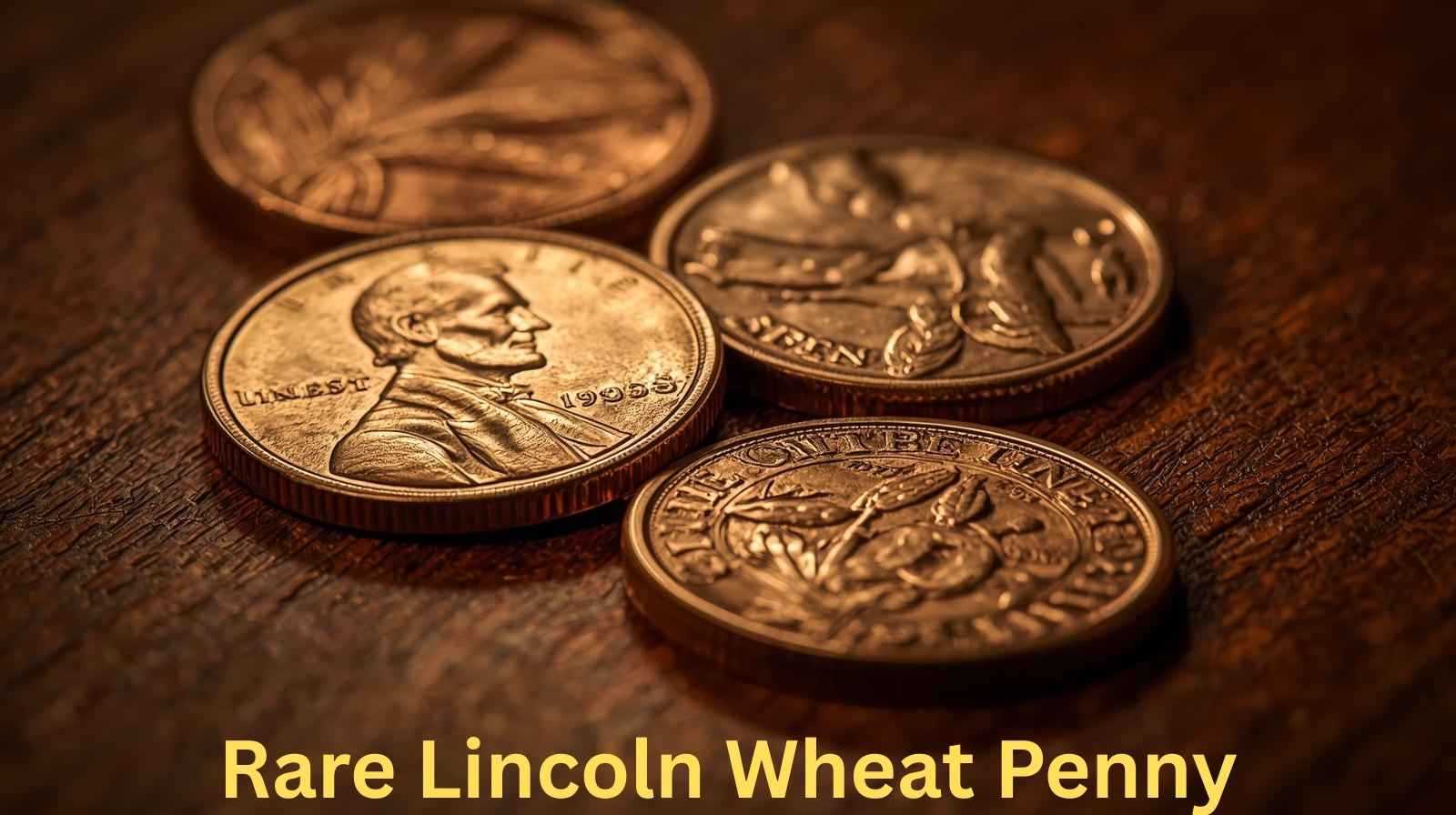
Rare Lincoln wheat penny is like uncovering a tiny piece of American history worth a small fortune. From the legendary 1909-S VDB to astonishing minting errors like the 1943 Copper or 1955 Doubled Die, these pennies are more than spare change they are coveted treasures for collectors and investors alike.
Every scratch, mint mark, and anomaly tells a story, and some coins have soared to jaw-dropping prices, even reaching $625,000 in pristine condition. Whether you’re hunting through old jars of change or studying auction records, understanding what makes a wheat penny valuable is key. Dive in to explore rarity, history, and expert collector tips.
Rare Lincoln Wheat Penny Value Chart
When exploring the rare Lincoln wheat penny market in 2026, collectors need a clear reference for values. The price of a wheat penny depends on its year, mint mark, rarity, and condition and preservation. Some pennies can be worth a few dollars, while others, like the legendary 1909-S VDB, can sell for hundreds of thousands. Below is a simplified chart of notable wheat pennies and their approximate 2026 values:
| Year & Mint | Notable Variety | Condition | Collector Value (USD) |
| 1909-S VDB | Rare Lincoln Wheat Penny | Pristine condition | $625,000 |
| 1914-D | Rare variety | MS-65 | $20,000–$40,000 |
| 1922 No D | Wrong planchet error | MS-63 | $15,000–$35,000 |
| 1931-S | Rare mint | MS-65 | $2,500–$5,000 |
| 1943 Copper | Minting errors | MS-64 | $150,000–$300,000 |
| 1955 Doubled Die | Doubled Die | MS-65 | $50,000–$100,000 |
| 1969-S Doubled Die | Doubled Die | MS-66 | $35,000–$70,000 |
| 1972 Doubled Die | Doubled Die | MS-65 | $3,000–$6,000 |
| 1990 No S Proof | Mint mark error | Proof-66 | $2,000–$4,000 |
The Origins of the Lincoln Wheat Penny
The Lincoln Wheat Penny was introduced in 1909, designed by sculptor Victor David Brenner, to commemorate Abraham Lincoln’s 100th birthday. This was the first U.S. coin to feature a president’s portrait, a bold departure from previous designs like the Indian Head cent. On the reverse, the coin featured two wheat stalks, giving it the nickname “wheat penny.”
Produced in Philadelphia, Denver, and San Francisco, the coin’s early years saw some controversy. Brenner’s initials, VDB, were initially placed on the reverse, but public complaints led to their removal mid-year. Today, the original 1909-S VDB is one of the most coveted coins for collectors. Over the years, the wheat penny remained in circulation until 1958, before the Lincoln Memorial design replaced the wheat reverse.
What Makes a Penny Valuable
Several factors determine the collector value of a wheat penny. Rarity is primary: fewer surviving coins mean higher value. A penny with a minting error like a Doubled Die, wrong planchet error, or missing mint mark can command extraordinary prices. Condition is equally critical. Coins in pristine condition or high MS (Mint State) grades are worth significantly more than worn ones.
Historical significance also matters. A penny like the 1943 Copper coin gains attention because it defied the common steel planchet of that year, making it a famous rare variety. Similarly, coins with a well-documented provenance fetch higher prices in auctions. Essentially, scarcity, condition, historical importance, and collector demand work together to define a penny’s value.
The Rare Penny Worth $625,000
No discussion of rare Lincoln wheat pennies is complete without the 1909-S VDB. This coin, struck in San Francisco, carries the VDB initials of Victor David Brenner, making it historically and aesthetically significant. Only a small number survive in pristine condition, and one recently sold for $625,000 in 2026. Its combination of rarity, condition, and demand cements its status as a holy grail among collectors. Auction houses emphasize its provenance and perfect grading, which explains the staggering price.
Historical Context of the Coin
The Lincoln Wheat Penny emerged during a time of social and economic change in the United States. The early 20th century was a period of industrial growth and national pride. Honoring Lincoln on the cent symbolized the nation’s values and respect for history. Coins like the 1914-D, 1922 No D, and 1931-S represent this era’s craftsmanship. Understanding the historical context adds depth to collecting and helps explain why some pennies are more valued than others.
Condition and Preservation
The difference between a $1 coin and a $625,000 coin often lies in condition and preservation. High-quality pennies show minimal wear, sharp details, and lustrous surfaces. Collectors use grading scales, from MS-60 to MS-70, to assess quality. Proper storage in coin holders, avoiding contact with hands, and controlling humidity are crucial. Even coins with errors like the 1969-S Doubled Die or 1955 Doubled Die lose value if damaged. Preservation is a serious aspect of numismatics, often outweighing rarity in determining market value.
Auction Records and Collector Demand
The auction market tells the story of what collectors value most. Coins like the 1943 Copper and 1909-S VDB frequently break records, illustrating the demand for rare varieties. For example, the 1909-S VDB has consistently sold for over half a million dollars in pristine condition. Auction houses often highlight the coin’s history, mint mark, and grading, making provenance a selling point. This high demand also drives new collectors to explore wheat pennies as an alternative investment, balancing historical interest with financial potential.
Why This Penny Stands Out
The $625,000 wheat penny is exceptional because it combines rarity, flawless condition, and historical significance. Unlike everyday pennies or even other collectible wheat pennies, it has a verified mint mark, immaculate design details, and historical value as a Victor David Brenner creation. Its unique status attracts both numismatists and investors seeking alternative investments with proven performance. In short, it is more than a coin; it is a symbol of American history and collecting prestige.
The Role of Provenance
Provenance plays a critical role in coin valuation. Knowing a coin’s ownership history can confirm authenticity and enhance credibility. Famous estates or well-documented collections can push prices higher than similar coins without a recorded history. For instance, a 1931-S in excellent condition with verified provenance can fetch thousands more than one without any documentation. Collectors are willing to pay premiums for coins whose stories are as rich as their rarity.
Still Found in Pocket Change
Despite its value, rare wheat pennies occasionally surface in everyday change. Stories of a 1922 No D or a 1955 Doubled Die being discovered in a drawer or coin jar still circulate among collectors. While these finds are rare, they remind us that the hunt for rare Lincoln wheat pennies is ongoing. Checking old coins can sometimes reveal hidden treasures that dramatically exceed their face value.
Lessons for Collectors
Collecting wheat pennies requires patience, research, and careful evaluation. Focus on condition and preservation, verify authenticity, and consider historical significance. Understanding mint errors like Doubled Die, wrong planchet error, or missing mint marks can prevent costly mistakes. Collectors should also track auction records to gauge current market trends and recognize rare varieties. Finally, maintaining proper storage and handling preserves value, ensuring even small investments grow over time.
The Legacy of the $625,000 Wheat Penny
The 1909-S VDB wheat penny has left an indelible mark on numismatics. Its immense value and historical importance have inspired collectors to explore rare coins more seriously. This penny demonstrates how a small piece of metal can carry historical weight, investment potential, and collector prestige simultaneously. Its legacy is not just monetary; it encourages careful preservation, study, and appreciation of U.S. coinage history.
FAQs
What is a rare Lincoln wheat penny?
A rare Lincoln wheat penny is a coin issued between 1909 and 1958 with low mintage, minting errors, or unique historical features, making it highly valuable to collectors and investors.
How much is a 1909-S VDB wheat penny worth?
A 1909-S VDB wheat penny in pristine condition can fetch $625,000 or more at auction, depending on grading, provenance, and collector demand in 2026.
What are the most valuable wheat penny errors?
The most valuable wheat penny errors include Doubled Die, wrong planchet errors, 1943 Copper pennies, and missing or incorrect mint marks, all commanding high collector value.
How do I know if my wheat penny is rare?
Check the year, mint mark, and any unusual markings or minting errors. High-grade coins or verified rare varieties are most likely to be valuable to collectors.
What is the 1943 Copper wheat penny?
The 1943 Copper penny is a famous error where copper was mistakenly used instead of steel, making it one of the rarest and most expensive Lincoln wheat pennies.
Why is provenance important for rare pennies?
Provenance verifies a coin’s ownership history and authenticity, increasing credibility and value. Coins with well-documented provenance often sell for higher prices at auctions or private sales.
Can wheat pennies still be found in circulation?
Yes, occasionally rare wheat pennies like 1922 No D or 1931-S appear in pocket change, though most valuable coins are carefully preserved by collectors or graded professionals.
What is a Doubled Die wheat penny?
A Doubled Die penny has duplicated images or inscriptions caused by a minting error. Examples include 1955 Doubled Die and 1969-S Doubled Die, highly sought after by collectors.
How should I preserve a wheat penny?
Store coins in protective holders, avoid touching surfaces, and control humidity. Proper condition and preservation maintain value, especially for high-grade rare Lincoln wheat pennies.
Are wheat pennies good alternative investments?
Yes, rare wheat pennies offer historical significance, scarcity, and proven auction value. They are considered a tangible alternative investment combining collectibles and financial growth potential.
Final Verdict
For anyone interested in rare Lincoln wheat pennies, understanding rarity, condition, errors, and provenance is essential. The 2026 $625,000 coin exemplifies why collectors are drawn to wheat pennies. From minting anomalies like 1969-S Doubled Die and 1943 Copper to high-grade coins like the 1909-S VDB, these pennies offer both historical value and alternative investment potential. With knowledge, careful observation, and attention to preservation, collectors can enjoy the excitement of discovering and owning pieces of American history.

Zara Lane is an experienced writer at BlessingAndShine, specializing in creating heartfelt and inspiring blessing articles. With a passion for spreading positivity and hope, she crafts messages that bring comfort, joy, and encouragement to readers. Zara combines creativity, empathy, and real-world insight to produce content that uplifts spirits, fosters connection, and helps readers celebrate meaningful moments in life.