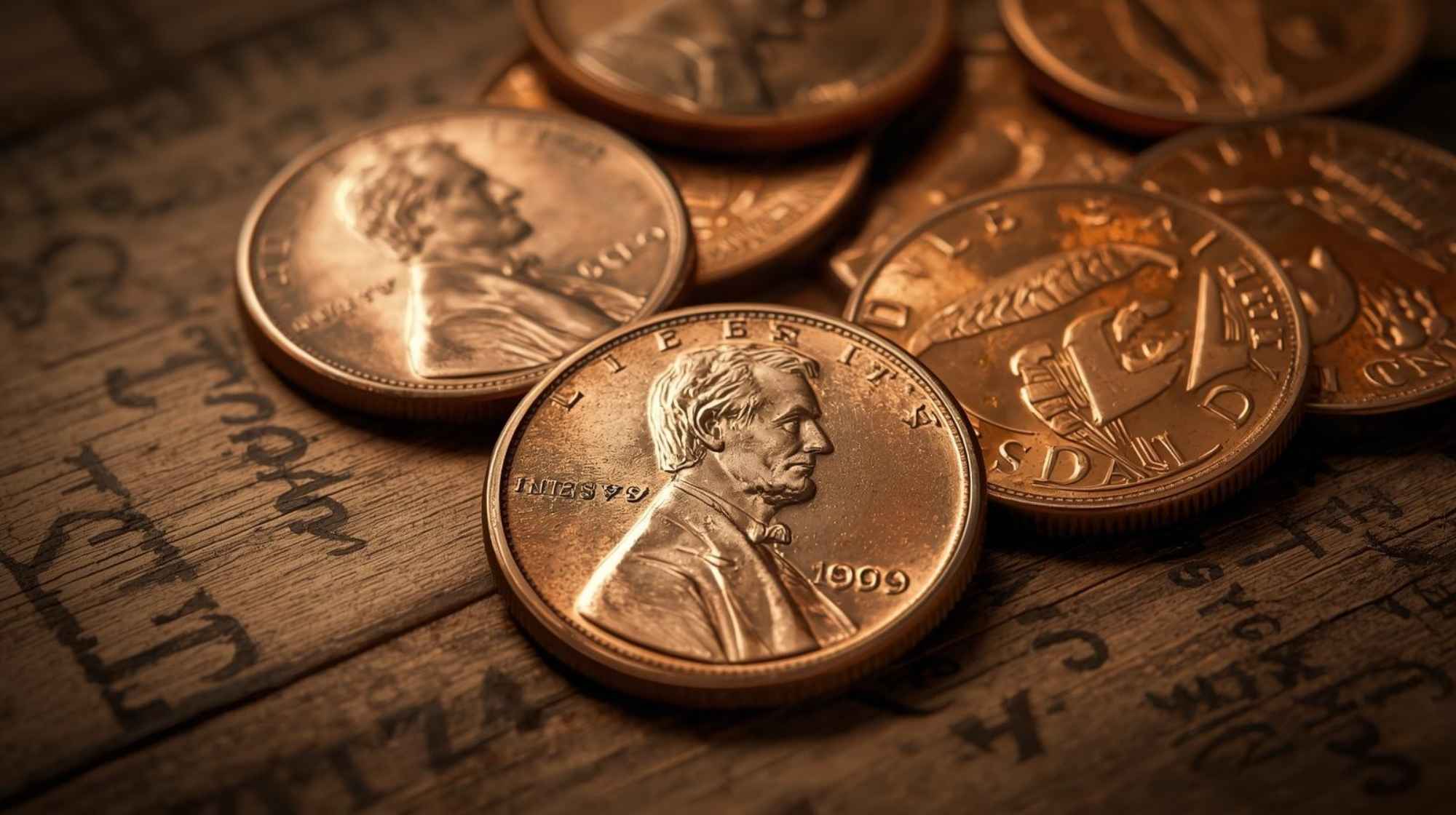
Wheat pennies, also called Lincoln Wheat Cents, are more than just old coins; they are a window into American history. First minted in 1909, these coins feature the iconic portrait of Abraham Lincoln on the front and wheat stalks on the back, giving them their nickname. Over the last decade, the lincoln wheat penny value has shifted considerably, making some coins surprisingly valuable while others remain common keepsakes.
Collectors and casual coin enthusiasts alike wonder how much their old pennies are worth today compared to ten years ago. This guide will explore coin value, market trends, key dates, and practical tips for anyone looking to understand, collect, or preserve these historic coins.
Wheat Pennies Price Trends Overview (Last 10 Years)
Over the past ten years, price trends for wheat pennies have shown steady growth, particularly for rare wheat pennies and high-grade coins. In 2014, many common pennies from the 1940s were worth only a few cents in circulated condition, while key date pennies such as the 1909-S VDB or 1914-D pennies already commanded higher prices. By 2024, auction results indicate that these same coins have appreciated significantly, driven by growing interest in numismatics and the collectible copper content in Lincoln cents.
The following table shows approximate lincoln wheat penny value changes over the last decade for some popular coins:
| Coin | 2014 Value (Average Circulated) | 2024 Value (Average Circulated) | Key Note |
| 1909-S VDB | $1,200 | $2,300 | Rare VDB collector favorite |
| 1914-D | $150 | $350 | High demand key date penny |
| 1931-S | $60 | $125 | Scarce mint location coin |
| 1943 Copper | $5,000 | $6,500 | Notable error coin |
| 1955 Doubled Die | $250 | $500 | Popular variety coin |
Why Wheat Pennies Attract Collectors
Wheat pennies appeal to collectors because they combine history, rarity, and beauty. Each coin tells a story of circulation dates spanning from 1909 to 1958, capturing moments in American life. Collector value comes not only from rarity but also from unique features like mint marks, error coins, and variety coins that are sought after by serious numismatists.
Many enthusiasts are drawn to Lincoln cents because of their aesthetic appeal, historical significance, and the thrill of uncovering a rare wheat penny in pocket change. The sentimental aspect of holding a coin that is over a century old adds to its allure, making coin collecting both an educational and emotionally rewarding hobby.
Value Movement Over the Past Decade
Over the last ten years, lincoln wheat penny value has seen noticeable movement. Coins that were once considered modest, like 1931-S pennies or 1914-D pennies, have steadily climbed in price due to collector awareness and preservation of coin condition. For instance, a 1914-D penny in fine condition might have sold for $150 in 2014 but now could fetch $350, depending on grading.
Even common wheat pennies have increased slightly in value because of rising copper prices and consistent collector interest. Those coins with historical significance, key dates, or errors, such as the 1943 copper penny, continue to see remarkable appreciation, showing that the market rewards patience and knowledge.
Common Wheat Pennies
Common wheat pennies such as those minted in the 1940s and 1950s from Philadelphia or Denver are plentiful in circulation. While their coin value is generally modest, often just a few cents, they serve as the foundation for beginner collections. Collectors often start with these coins to practice coin grading, learn about coin preservation, and understand mint locations before investing in high-grade coins. Even common pennies hold educational value, as they allow enthusiasts to study differences in mint marks, circulation dates, and subtle variations that may affect future collector value.
Key Dates and Scarce Varieties
The most sought-after coins are key date pennies and scarce varieties. Coins such as the 1909-S VDB, 1914-D pennies, 1931-S pennies, and 1955 doubled die are highly prized. The lincoln wheat penny value for these coins can be hundreds to thousands of dollars depending on coin condition and grading. Scarce mint marks, including the S (San Francisco) and D (Denver) marks, often determine rarity. Collectors focus on these key coins because their scarcity directly affects auction results, making them cornerstone pieces in any collection. Learning to identify these rare wheat pennies is essential for anyone serious about numismatics.
Importance of Condition
The condition of a coin dramatically impacts its lincoln wheat penny value. Coins are graded from Good, Fine, Very Fine, to Mint State. Even minor differences, such as scratches or wear on the wheat stalks, can change a coin’s value significantly. High-grade coins or those in uncirculated condition fetch much higher prices than heavily worn examples. For example, a 1909-S VDB in Fine condition might sell for $2,300, whereas the same coin in Mint State could reach $30,000. Understanding coin grading and proper coin preservation is key to maximizing collector value.
Market Influences and Copper Prices
The value of wheat pennies is not only determined by rarity but also by external market factors. Rising copper prices can boost interest in older pennies because each coin contains nearly 95% copper. Similarly, the overall economic environment, including inflation and collector trends, influences auction results. Coins with historical significance or unique error coins may see spikes in value during periods of heightened collector interest. Understanding these market influences helps collectors make informed decisions about buying, selling, or holding their coins.
How to Determine the Value of Your Wheat Pennies
To assess the lincoln wheat penny value, start by examining the coin’s mint mark, circulation date, and overall coin condition. Use online price guides, collector books, and recent auction results to estimate value. For valuable coins, consider professional coin grading services. Tools like magnifiers, scales, and reference charts help identify variety coins, error coins, and subtle details that affect price. By combining research with careful observation, collectors can accurately determine which pennies are merely historical curiosities and which are true rare wheat pennies.
Tips for Building a Wheat Penny Collection
Building a Lincoln Wheat Cents collection requires strategy, patience, and careful planning. Beginners often start with common wheat pennies to learn grading and coin preservation techniques. Focus on acquiring coins with varied mint marks and circulation dates, gradually progressing to key date pennies and high-grade coins. Attend coin shows, join local clubs, and monitor online marketplaces to find bargains and rare pieces. Proper storage and handling, such as keeping coins in acid-free holders and avoiding excessive cleaning, ensure that coins maintain uncirculated condition and long-term collector value.
Final Verdict
In summary, the lincoln wheat penny value has grown noticeably over the last decade, with rare wheat pennies, key date pennies, and high-grade coins showing the most significant appreciation. Collectors are drawn to these coins for their historical importance, beauty, and potential investment value. Understanding coin grading, mint marks, circulation dates, and market trends is essential for anyone seeking to buy, sell, or preserve these treasures. Whether you hold a common 1940s penny or a 1909-S VDB, knowing the factors that influence value allows you to appreciate your coins as more than just metal—they are pieces of history and opportunity in the world of numismatics.

Zara Lane is an experienced writer at BlessingAndShine, specializing in creating heartfelt and inspiring blessing articles. With a passion for spreading positivity and hope, she crafts messages that bring comfort, joy, and encouragement to readers. Zara combines creativity, empathy, and real-world insight to produce content that uplifts spirits, fosters connection, and helps readers celebrate meaningful moments in life.